
To remain competitive in 2025, B2B SMEs must adjust their marketing strategies to adapt to new trends. Even with limited resources, it is possible to implement concrete actions to improve performance and strengthen customer relationships. Here are a few tips to help you take your marketing efforts to the next level.
1. Personalize your communications to better target your customers
In the B2B sector, personalization is increasingly expected. Customers expect to receive messages tailored to their specific needs, rather than generic communications. By analyzing your customers’ purchasing behavior, as well as their past interactions with your company, you can offer them more relevant messages. For example, instead of sending a generic prospecting email, tailor it based on the needs identified during your previous interactions. Well-thought-out personalization can significantly improve customer engagement and drive conversions.
2. Optimize your content for voice search
Voice search is becoming increasingly common, even in professional settings. B2B decision-makers often need to find solutions quickly, and using voice assistants is becoming a common way to get instant answers. To capitalize on this trend, tailor your content to address the questions your prospects might ask. Using a natural tone, structuring your pages with clear answers to frequently asked questions, and providing straightforward explanations are all ways to make your content more accessible to this new form of search.

3. Save time by automating certain tasks
In a small or medium-sized business, it’s essential to make the most of your time. Automating certain repetitive tasks can free up valuable resources. For example, instead of manually responding to requests for information or following up with each prospect individually, set up processes that automatically send initial responses or acknowledgments of receipt. You can also schedule follow-up emails after specific interactions, such as sending a quote or a meeting request. This automation ensures prompt and consistent follow-up while reducing your teams’ workload.
4. Communicate your sustainability and ethical commitments
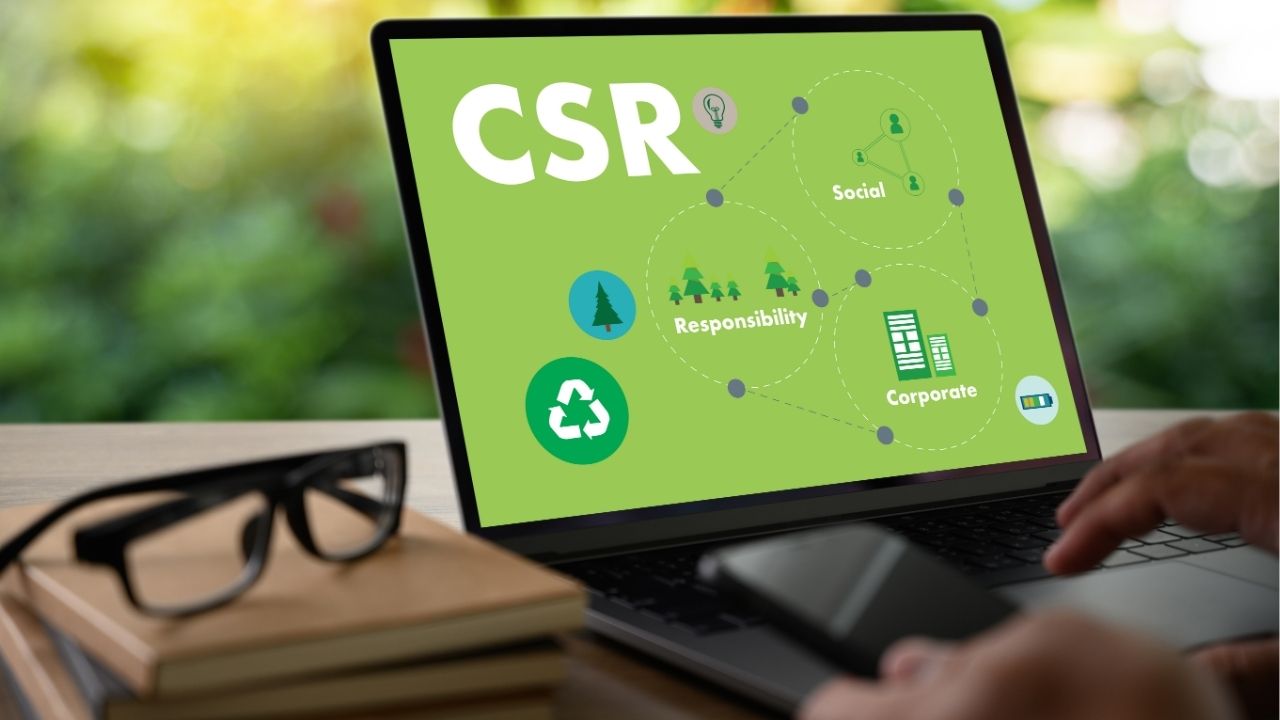
B2B customers are increasingly concerned about their partners’ environmental and ethical commitments. Demonstrating that your company adopts sustainable practices—whether through eco-friendly management, a responsible sourcing policy, or a well-defined Corporate Social Responsibility (CSR) strategy—can play a key role in their decision to choose you. This shouldn’t be left implied—clearly highlight your actions. For example, dedicate a section of your website to these initiatives or include information about your efforts in your marketing materials. Be sure to highlight concrete measures such as your diversity and inclusion policies, your local community initiatives, or your active environmental practices. This not only builds trust with your customers but also sets your company apart in an environment that is increasingly focused on sustainability and social responsibility.
5. Secure Your Customers' Data and Build Trust
In B2B transactions, data security is a major concern. Even the slightest breach can damage your reputation and jeopardize valuable business relationships. It is therefore crucial to ensure that all data exchanged with your customers is protected. By regularly informing your customers about the measures you’re implementing to ensure the security of their information, you build their trust and ensure complete transparency in the handling of this sensitive data. This can also serve as a unique selling point, especially in industries where security is a key concern.
6. Use video to better engage your prospects
Video is a powerful tool for capturing the attention of your B2B prospects and conveying information concisely and clearly. You don’t need a large budget to create effective videos. By focusing on short formats that showcase your services or case studies in an engaging way, you can quickly capture the attention of decision-makers. Consider sharing these videos on your social media pages or embedding them in your email campaigns to maximize their impact. Videos help humanize your services and make your proposals more tangible, which is particularly effective in B2B sales cycles.
7. Expand Your Network
Networking is more than ever an essential tool for small and medium-sized businesses in 2025. By building strong relationships with your partners, customers, and other players in your industry, you open the door to opportunities for collaboration and growth. Attending professional events, joining industry groups, or being active on LinkedIn allows you to stay visible, exchange ideas, and identify opportunities. Regular attendance at events helps expand your network while generating qualified leads.

8. Identify your competitors
Benchmarking is an essential tool in any marketer’s strategic toolkit, and its importance will only grow in 2025. As markets evolve rapidly, understanding competitors’ tactics, products, and services is crucial to remaining competitive. This practice not only helps identify best practices within an industry but also uncovers opportunities for innovation by analyzing the gaps between companies. In 2025, with increased access to big data and predictive analytics, companies will be able to conduct much more accurate, real-time benchmarking, enabling them to respond quickly to market changes and adjust their strategies to better meet consumer expectations. Benchmarking thus becomes not only a tool for comparison but a true driver of strategic adaptation and continuous innovation.
9. AI and Avatars
In 2025, artificial intelligence (AI) and AI avatars play a pivotal role in the development of marketing strategies, radically transforming the way brands interact with their customers. AI avatars—which are personalized and equipped with continuous learning capabilities—offer a hyper-personalized and engaging user experience. They enable companies to instantly respond to customer needs, resolve complex issues, and provide tailored recommendations, thereby improving customer satisfaction and loyalty. In addition, AI helps analyze vast volumes of data to identify consumer trends and predict purchasing behavior, allowing brands to stay ahead of the competition by proactively adapting their offers and messaging. By integrating artificial intelligence into your strategy, your company can maximize operational efficiency and strengthen its market position. This technological adoption also paves the way for new opportunities for innovation and growth, enabling you to remain competitive in an ever-changing economic environment.
10. E-commerce and Influencers
B2B e-commerce and influencer marketing have become essential components of marketing strategies for companies targeting the business-to-business market. The integration of B2B e-commerce facilitates commercial transactions, streamlining ordering, logistics, and customer relationship management processes, while offering opportunities for service customization. At the same time, B2B influencer marketing is gaining importance, leveraging thought leaders and industry experts to boost credibility and expand a brand’s reach. These influencers, recognized for their technical or industry expertise, are crucial for shaping the perceptions and purchasing decisions of business professionals. Together, these strategies not only boost visibility and sales but also help solidify a company’s reputation and build loyalty among a demanding professional clientele.
Conclusion
To succeed in 2025, B2B SMEs must focus on concrete actions tailored to their resources. By adopting customized strategies, optimizing their internal processes, and constantly improving the customer experience, they can set themselves apart and remain competitive in an ever-changing market. The key lies in agility and the ability to respond to customer needs proactively and creatively.