
In the digital age, your target audience is usually sitting in front of a computer or cell phone screen. Therefore, delivering high-quality content to their screens is the key to marketing success.
In the dynamic landscape of China’s B2B market, winning over the market requires a strategic approach. At the heart of this strategy are three essential pillars: your website, the Baidu search engine, and WeChat.
More specifically, your company’s website serves as a crucial landing page, while search engines act as guides. WeChat, on the other hand, functions as a contact point on your cell phone, ensuring that your customers can stay informed anytime, anywhere.
In this new blog post, we’ll first examine the importance of websites in the Chinese market, then the Baidu search engine, and finally WeChat.
1. Website: The Foundation of Your B2B Presence in China
A professional, localized website serves as a digital storefront—it’s the first point of contact for your potential customers. An optimized website is the cornerstone of any successful B2B marketing strategy. Let’s take a look at the key factors to consider when targeting the Chinese market.
Location
Localization isn't just about translating content; it involves adapting it so that it resonates with Chinese culture.
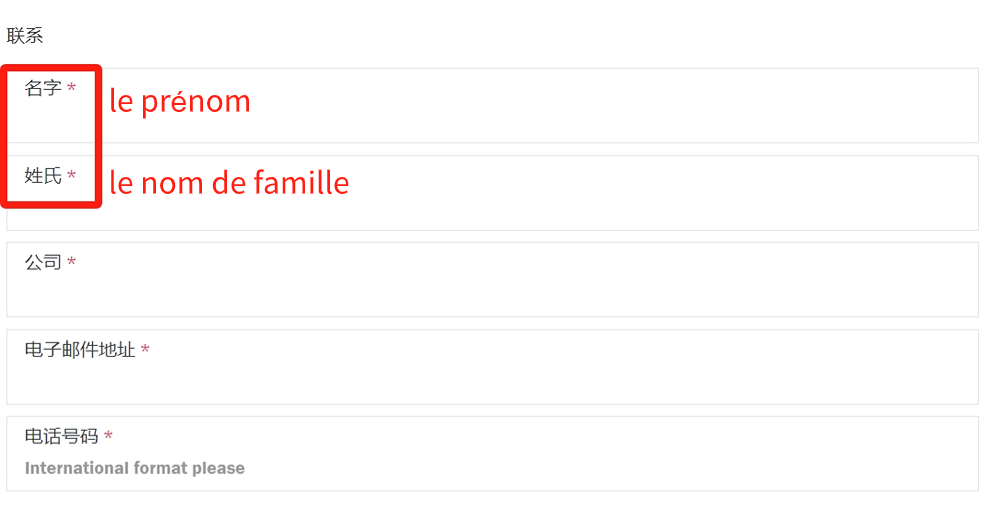
For example, in the contact form shown in this image, the first name and last name are on separate lines. Chinese people generally do not separate the first name and last name. They write their names in the format “last name + first name,” such as LI Si. Similarly, on all forms, the “name” should be “姓名 xìng míng” on the same line, side by side.
This isn't a serious mistake that would cause you to lose customers. However, if a company fails to understand cultural differences, it will reduce customers' trust in the brand.
Speed
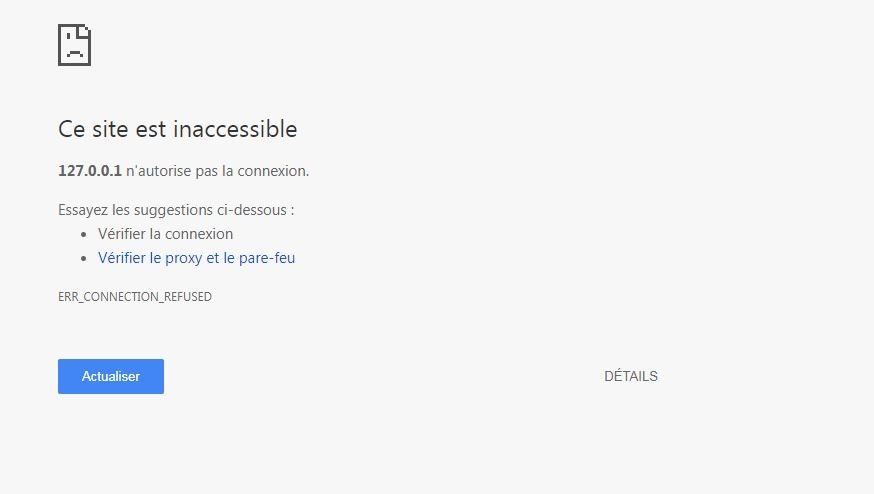
In China, there is the Great Firewall, which is managed by the Ministry of Public Security to monitor and censor the Internet. It works, in particular, by blocking IP addresses and filtering DNS and URLs. As a result, many foreign websites load very slowly or cannot be accessed at all.
Through real-world testing in an office environment, we found that it took up to 50 seconds for a European company’s website to load completely in China. Chinese users may have lower expectations regarding the loading speed of foreign websites, and we’re confident you wouldn’t want your customers to wait 50 seconds after every click.
It is therefore essential for a foreign company's website to know its exact loading speed in China and to optimize it.
Mobile Optimization
Mobile optimization is also important, given China’s “mobile-first” culture. A seamless user experience is essential, as it directly impacts engagement and conversion rates.
In addition to accessing your company’s website on computers, users are very likely to visit your website on their mobile devices or even within WeChat. If they land on a website that isn’t optimized for mobile, users won’t bother zooming in to navigate, and you’ll have a hard time showcasing your products and services to your prospects.
2. Baidu: Achieving a high ranking on the Chinese search engine to boost B2B visibility
The website is well-designed and localized. Now it’s time to drive traffic to it. As the country’s leading search engine, Baidu serves as a gateway for millions of users looking for information, products, and services.
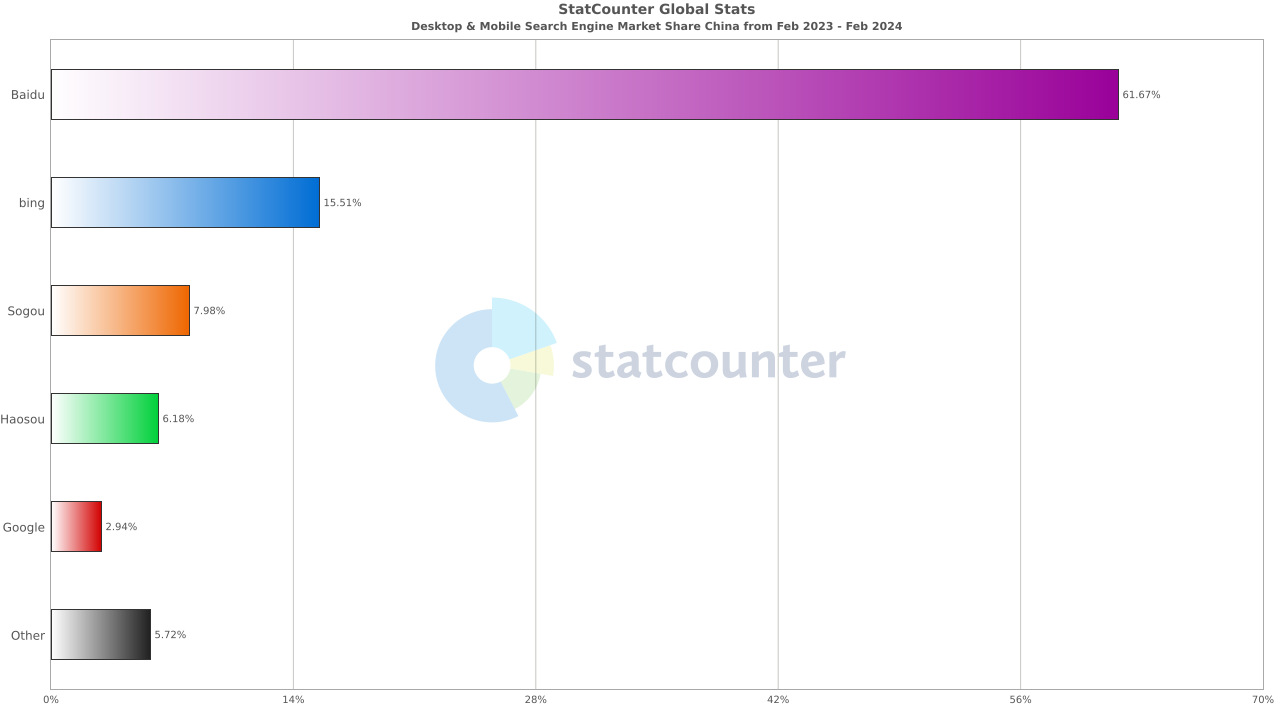
With a market share of over 60%, Baidu dominates the search engine market in China, making it the platform of choice for businesses looking to boost their online visibility and reach their target audience.
In a market where online research plays a crucial role in the decision-making process, it is essential for B2B companies to secure a top position on Baidu’s search results page.
SEO on Baidu
As the dominant search engine in China, Baidu connects businesses with highly targeted prospects. Through strategic search engine optimization (SEO) techniques tailored to Baidu’s algorithms and user behavior patterns, B2B companies can optimize their website content to achieve higher rankings.
By focusing on optimizing keywords specific to their industries, products, and services, B2B companies can ensure that their website appears prominently when potential customers are actively searching for products or solutions.
We'll explore the topic of SEO on Baidu in more depth in our upcoming articles.
The Baidu Ecosystem
Baidu's ecosystem includes a variety of features and tools that support B2B marketing efforts:
1. Baidu Ads allows businesses to invest in pay-per-click (PPC) advertising, enabling them to bid on keywords and display targeted ads to the right users.
2. Baidu Baike allows businesses to create and optimize informative content about their products, services, and industry expertise, thereby strengthening their online authority and credibility.
3. Baidu Maps enables local B2B companies to optimize their online presence and attract potential customers searching for nearby businesses. A requirement is that you have a registered office in China.
By effectively leveraging the power of Baidu’s search engine and advertising solutions, B2B companies can improve their brand visibility, generate qualified leads, and drive business growth in China.
3. WeChat: Leveraging the Chinese Super App for B2B Success
WeChat has become an unavoidable topic in B2B marketing. Anyone who has ever attended trade shows in China probably has a personal WeChat account.
Official WeChat Account
As we discussed in the previous article, the WeChat Official Account is at the heart of WeChat marketing. The Official Account serves as a direct channel for brand communication and user engagement.
Marketing through the official account offers B2B companies opportunities to showcase their expertise, provide valuable information, and foster meaningful connections with prospects.
Through well-crafted and regularly published content, such as articles, white papers, and case studies, B2B brands can position themselves as thought leaders in their respective industries.
Powerful Ecosystem
WeChat’s robust ecosystem enables seamless integration of various marketing activities, such as video sharing, Mini Programs, customer relationship management (CRM), advertising, data analytics, and payment features.
Let’s take Moments advertising as an example: WeChat offers sophisticated targeting options for advertisers, allowing B2B companies to reach their ideal audience based on demographics, interests, and behavior. Moments advertising blends seamlessly into the user’s feed, providing a user-friendly experience.
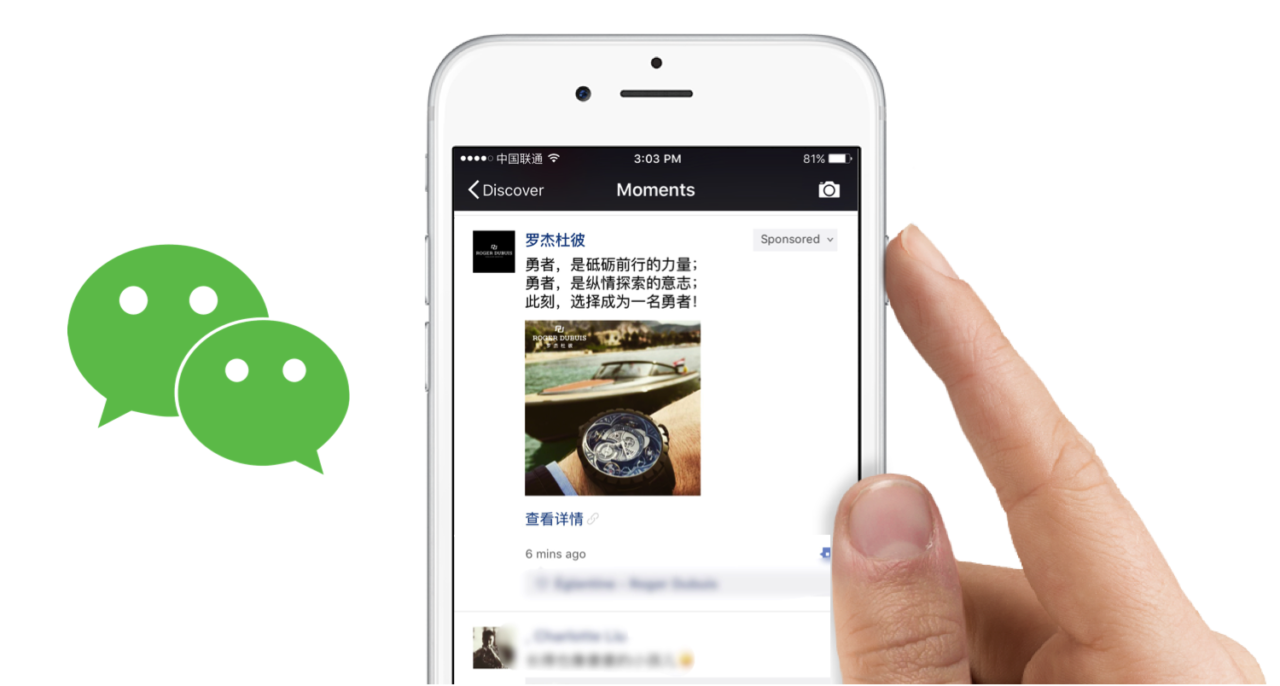
WeChat Marketing Tools
The brand can also run integrated advertising campaigns across multiple touchpoints within the ecosystem.
For example, companies can combine Moments ads with official accounts and mini-programs to create an immersive advertising experience for users. This integrated approach increases brand visibility and leads to greater engagement.
Finally, WeChat provides robust analytics tools that allow advertisers to track and measure the performance of their ad campaigns in real time. B2B companies can monitor key metrics such as impressions, clicks, conversions, and return on investment (ROI), enabling them to effectively optimize their advertising strategy.
Want to learn more about WeChat marketing? In our upcoming blog posts, we'll walk you through more detailed tactics.
As you can see, for B2B companies in China, the message is clear: embracing the power trio of your website, Baidu, and WeChat paves the way for commercial success in one of the world’s most dynamic markets.
Are you looking for an expert to guide your brand through these challenges? Our digital marketing consultant can help you audit your website, improve its search engine ranking, set up an official WeChat account, and resolve any confusion caused by cultural differences and business practices.
Please feel free to contact us to learn more!