
A well-established brand image thanks to its visual identity guidelines
As soon as you start thinking about stepping up your [digital] marketing efforts, you’ll very quickly hear about brand guidelines—whether from one of our consultants, your marketing manager, or even your communications agency, if you have one.
For small and medium-sized businesses—especially the smaller ones—it’s not uncommon for our clients to look at us with a bit of embarrassment when our consultants bring up this topic. Most of the time, they’ve hardly ever heard of a brand guidelines document and have only a vague idea of what it entails.
However, the creation and implementation of a good brand identity guide are important for every company, as it is this guide that defines your company’s unique visual identity. At Maia Consulting, the brand identity guide is part of the fundamental marketing foundation that every company should have at its disposal.
So, let’s dive right into this new blog post to explain why it’s important to work on your brand guidelines without further delay ????
What is a brand identity guide?
This document will formalize all the rules governing your company’s visual identity. It will bring together all the elements that will guide your internal and external communications.
Why Have a Brand Guidelines Document?
Its goal is to make your business stand out so that it is recognizable to everyone wherever your name appears. This way, you will naturally set yourself apart from your competitors.
Your brand guidelines will help you develop harmonious and consistent visual communication for both your external and internal materials. This will give your brand a more professional image, which will put your prospects at ease. You’ll be setting yourself up for success in making a good first impression—and we all know just how important that is.
Finally, you’ll save valuable time. All the graphic elements are brought together in a single document. You no longer need to worry about how to arrange each element—everything is perfectly organized, whether for your in-house team, your printer, or your communications agency.
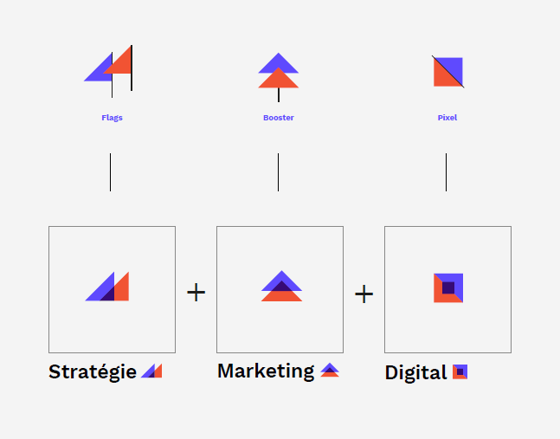
What's in it?
It can be more or less detailed depending on your needs. However, certain elements are consistent. It will include:
- Your logo: It should reflect the identity of your small business as well as its line of business;
- Variations of your logo on different backgrounds—both colored and uncolored—as well as a black-and-white version;
- Your typography: This refers to the formatting of your text using a font that matches your brand image. Generally, we recommend using no more than three different fonts. It should also complement your logo perfectly;
- A color palette tailored to your brand identity: Here, too, the goal is to use a maximum of three to four colors that work well together, specifying which will be the primary and secondary colors. You should also plan for any necessary adjustments for digital media or printed materials.
- The precise placement of your logo on your various communication materials, including the definition of margins.
- Suggestions for best practices and practices to avoid.
Depending on your needs and budget, various elements can complement your brand guidelines, such as window decals, a catchy and unique slogan, pictograms, and more…
When should you use your brand guidelines?
There are countless opportunities to use it— whenever you create a communication piece.
Your brand guidelines will be used for your website, social media posts, advertisements, leaflets, flyers, brochures, posters, corporate gifts, and more. They will also govern your letterhead, email signatures, vehicle lettering, corporate apparel, and more.
For example, for your various social media posts, you’ll be able to create different variations of your brand guidelines.
Let's take Maia Consulting's LinkedIn posts as an example; we applied our brand guidelines as follows:
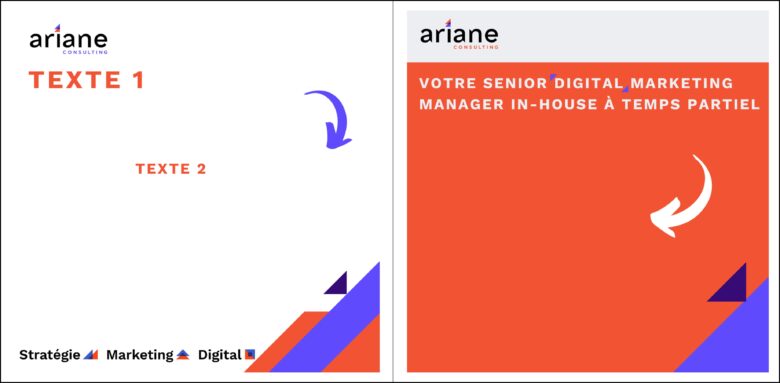
You'll be able to promote your brand wherever you want.
Who is preparing this document?
You may decide to create your brand identity on your own. You’ll find many specialized websites online that provide information on the best way to design your logo, choose your typeface, and coordinate your colors…
However, given the significant impact of your brand guidelines, we strongly recommend that you work with a professional, as there are so many elements to select and combine. Hiring a graphic designer or a communications agency is a wise choice.
Graphic Guidelines vs. Visual Identity
Your visual identity is an abstract concept that refers to your brand identity. It encompasses all the visual elements that define your company in the marketplace. Your brand guidelines are a document that outlines all the rules for effectively implementing your visual communication.
Your brand identity is very important, not only becauseit represents your company, but also becauseit helps your customers and prospects remember your business and conveys your values.
Well-chosen colors with a logo that reflects your industry, or simply a typeface that serves as your logo… Coca-Cola is a typeface/logo…
Maia Consulting’s brand identity features a rocket. Our consultants aren’t astronauts. No, we’re a team of in-house [digital] marketing managers who will propel your marketing—and, by extension, your business—into a whole new dimension aligned with your goals and expectations.
You care about the brand image your company projects. If you’d like to explore this topic further and work with a consultant to develop your brand guidelines, we’re here to help. If you’d like to take it a step further by focusing on your marketing strategy and ensuring it aligns with your market positioning, your customers, and your customer acquisition, conversion, and retention tactics, be sure to contact us by clicking the button below.