Chinese social media platforms, other than WeChat, Baidu, and Douyin!
As a marketing manager, if you want to reach young Chinese consumers (ages 18–35), it’s essential to know which social media platforms to use. The overwhelming presence of the “Great Firewall” has shaped a unique digital landscape in China, much like a parallel universe.
In today’s exploration, we’ll set aside well-established digital giants like WeChat, Baidu, and Douyin to focus specifically on four platforms that are capturing the attention of the younger generation.
To help you better understand, we will draw parallels with their global counterparts to provide a clearer picture of how they operate and their popularity within China’s digital ecosystem.
1. Little Red Book—Xiaohongshu (similar to Instagram or Pinterest)
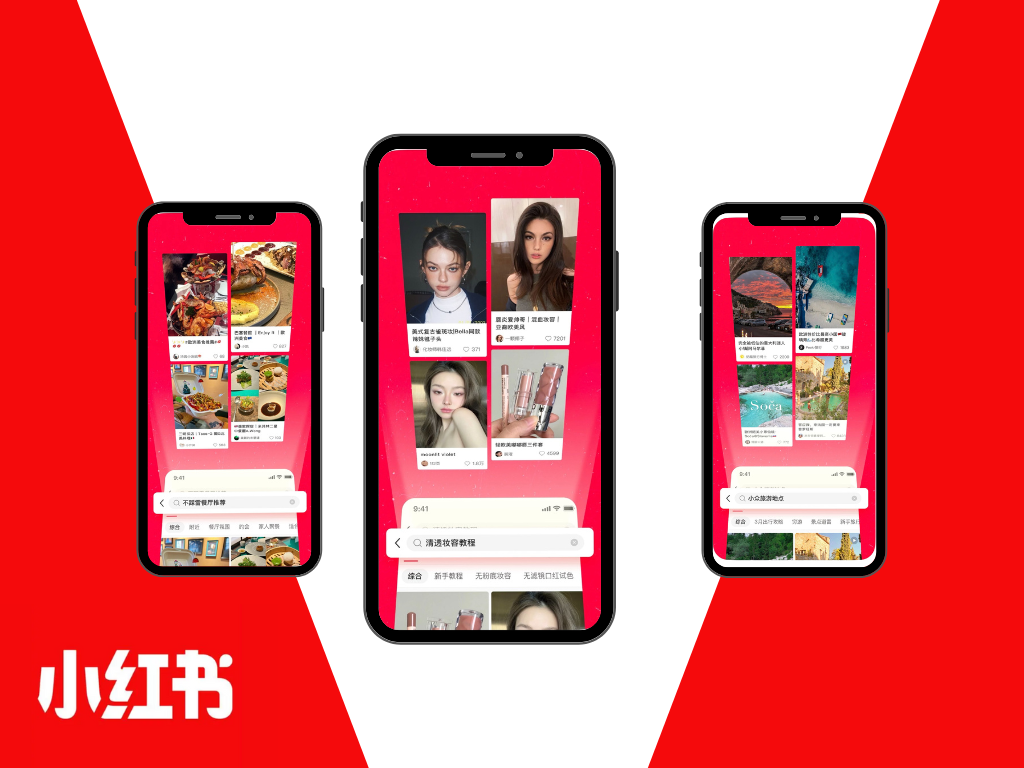
Xiaohongshu has established itself as the go-to platform for sharing and discovering user reviews of products, particularly in the beauty and fashion sectors.
In China, this platform has become an indispensable reference for the younger generation, who have made it a habit to check Xiaohongshu before doing anything. The saying “When in doubt, check Xiaohongshu” resonates strongly with young people, becoming a widespread way to navigate everyday choices.
Launched in 2013 in Shanghai by Ma Wenxiao and Qu Fang, Xiaohongshu has the ambitious mission to “inspire life by sharing and discovering the beauty of the world.”
Designed as a dynamic platform, it offers users the ability to capture and document moments of their lives through various formats, such as short videos, images, and other formats. Xiaohongshu stands out for its interactive environment, where users can not only share their own lifestyles but also immerse themselves in rich and varied content based on shared interests.
According to the most recent statistics, Xiaohongshu has 260 million monthly active users.
This popular platform is particularly favored by the 1990s generation, which accounts for 70% of its users. It has a strong presence in Chinese metropolitan areas, with 50% of its users residing in first- and second-tier cities. Demographically, the male-to-female ratio is 3:7, highlighting the platform’s predominantly female user base.
One remarkable aspect of Xiaohongshu is its large number of active content contributors, which totals 69 million. The platform records an impressive total daily reach of 30 billion comments.
2. Zhihu (similar to Quora)
Zhihu is a Chinese social Q&A website launched on January 8, 2010. This platform allows users to ask questions, answer them, comment on them, and vote for the most relevant contributions.
Renowned for the high quality of its content, Zhihu lets users discover engaging questions and answers by following other users or exploring a wide range of topics. In addition, Zhihu enhances the user experience with additional features such as themed columns and live sessions, which provide a deeper immersion into specific areas of interest.
Zhihu’s user base is predominantly male, with most users residing in major metropolitan areas and leading emerging cities. Approximately 80% of its users are under the age of 30, and more than 80% of them hold a college degree or higher.
Content on Zhihu stands out for its clarity, depth, and practicality, reflecting a professional and credible image of well-informed users. In contrast, Xiaohongshu offers its users a more authentic and accessible experience through lifestyle images that evoke strong emotions.
As a result, some critics on Zhihu have accused Xiaohongshu of having a negative influence on women and have expressed disdain for the platform.
3. Bilibili (similar to YouTube)
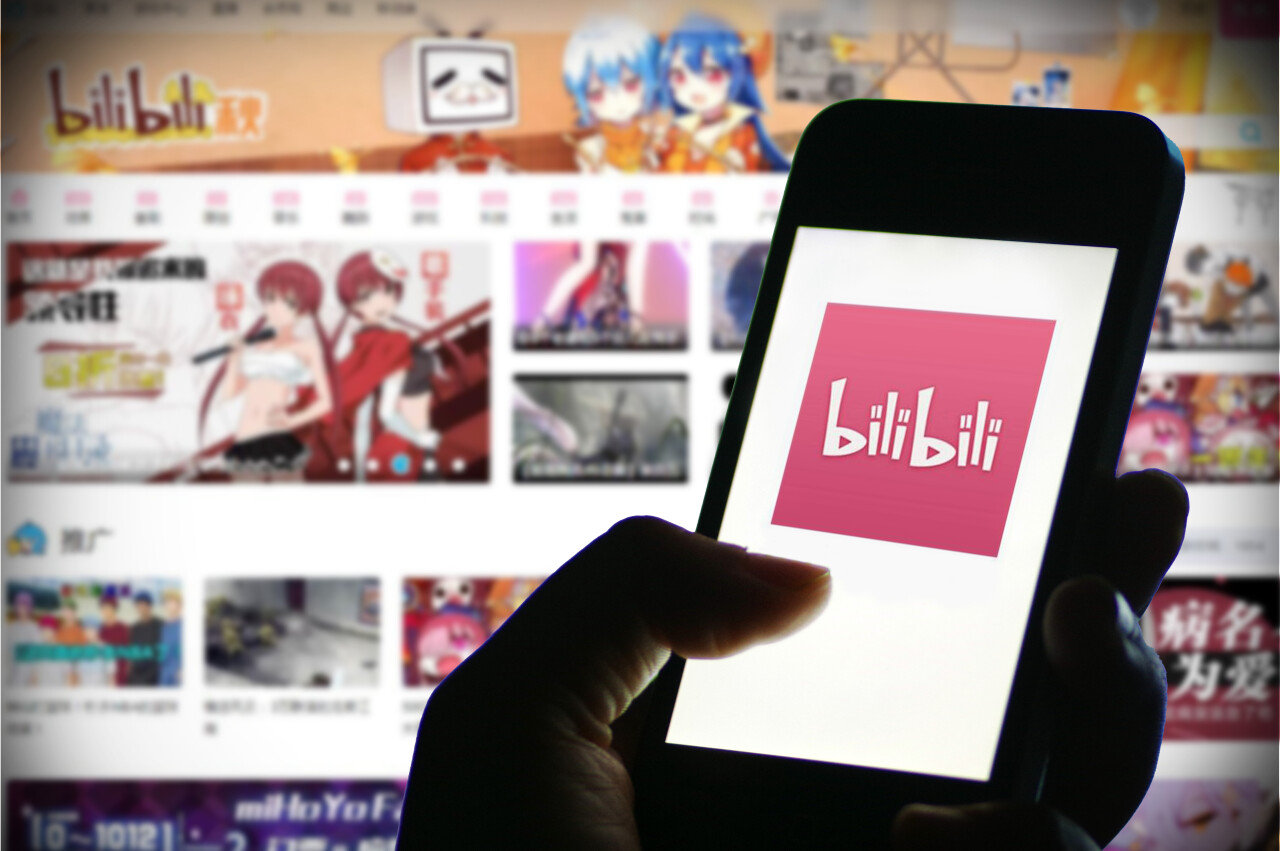
Bilibili is a vibrant cultural community and a very popular video platform among China's younger generation.
Founded on June 26, 2009, it is affectionately known among users as “B站” (“Site B”). In the beginning, Bilibili was primarily a video platform focused on creating and sharing ACG (Anime, Comics, Games) content.
After more than a decade of user-, creator-, and content-centric development, Bilibili has evolved into an ecosystem that continuously generates high-quality content. It has expanded to encompass diverse cultural communities spanning more than 7,000 interest groups.
According to statistics provided by QuestMobile at the end of 2022, nearly 82% of Bilibili users belong to Generation Z—primarily high school and college students who grew up in the Internet age.
It is important to note that Bilibili’s user base is primarily located in first- and second-tier cities, where there is a strong propensity to spend. According to data provided by Bilibili, college and high school students in major cities such as Beijing, Shanghai, and Guangzhou make up a significant portion of its users. This dynamic and energetic group, with its strong spending potential and willingness to pay in first- and second-tier cities, represents a key audience for large-scale marketing strategies. This is particularly important for traditional brands seeking to establish a strong presence among young consumers.
Notably, Bilibili has consistently expanded its range of content to include more topics related to daily life and education.
When signing up, users now have the option to select their favorite topics. Bilibili has thus evolved beyond its initial association with the anime and manga community, attracting more and more young people eager to learn and deepen their knowledge.
Whether in the fields of music, technology, lifestyle, entertainment, or even film and television, the number of videos available has surpassed even the amount of content in the animation section, including Chinese and Japanese anime. In short, Bilibili has become the leading learning platform for today’s youth.
According to statistical data, people who focus primarily on personal interests—particularly those related to anime and manga subculture—are mostly from the generation born in 1995 or earlier.
In contrast, those born in 1995 or later primarily use Bilibili as a platform dedicated to learning and personal development.
4. Weibo (similar to Twitter)
Weibo, launched in August 2009, reached more than 50 million users in just one year, with the majority between the ages of 23 and 30.
Weibo's slogan is "Find out what's happening anytime, anywhere." The platform works similarly to Twitter, where users can share information about what they see, hear, think, and do through text, music, videos, and more, sharing their lives with friends and strangers.
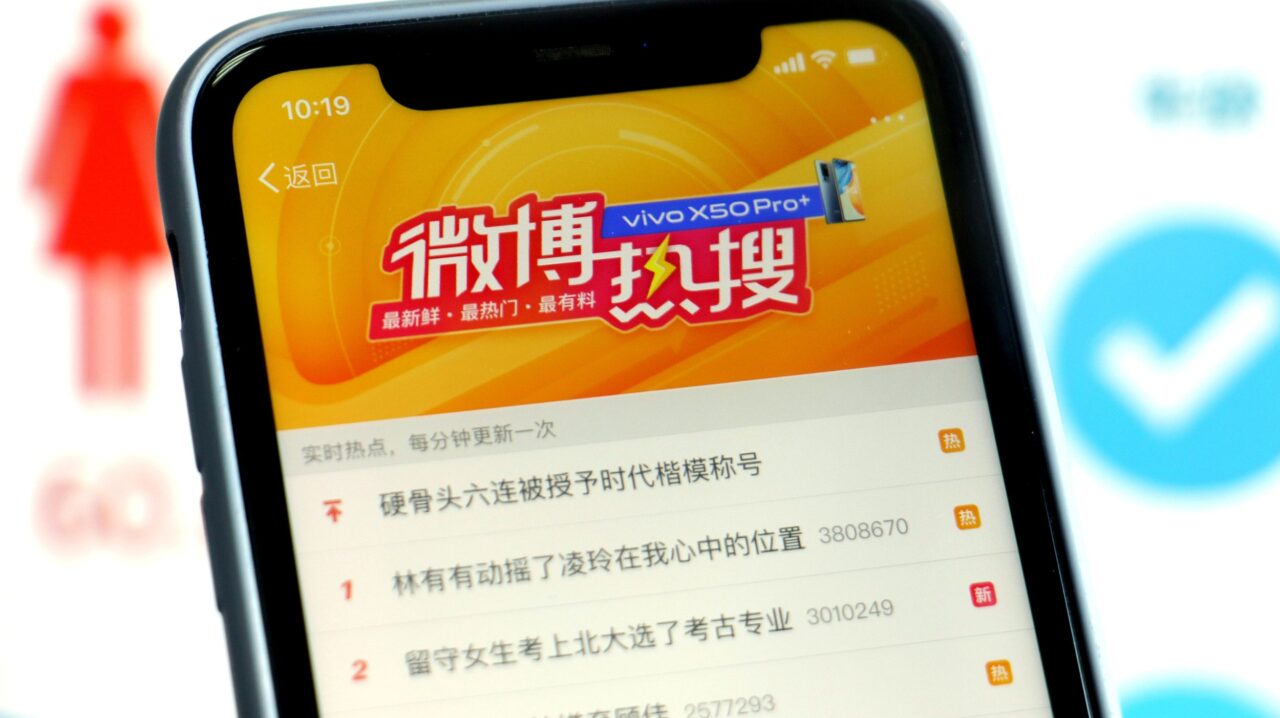
One of Weibo’s key features is “热搜” (trending topics), which reflect the most discussed topics at any given time. Trending topics on Weibo are updated every ten minutes, and their ranking is determined by the number of searches performed.
Generally, major social or entertainment news first appears in Weibo’s trending topics before gaining nationwide attention.
Although other platforms have begun to take Weibo's place in certain areas, it remains the only truly open space where ordinary people can express their personal opinions.
He thus created a platform that fosters a sense of active participation in the “real-time monitoring and governance of society.”
In addition, Weibo remains a leading marketing platform for promoting entertainment content such as movies and television shows.
If you’re planning to engage with active young users in the Chinese market, these four platforms are undoubtedly the right choice. In our upcoming blog posts, we’ll provide more relevant information for B2B SMEs looking to unlock the secrets of social media in China.