
Is it a good or bad idea to spend time writing blog posts?
Digital transformation is significantly disrupting the day-to-day operations of SMEs. For business leaders, it’s a bit like having to be in two places at once. How can you simultaneously run your business and, at the same time, write blog posts, develop a social media presence, and ensure visibility on search engines, all with the resources of a SME?
It’s true that this isn’t easy and that it requires a lot of time, energy, and, above all, expertise. We’re here to help you with this new blog post if you’d like to get started. For those of you who are severely short on time, please know that we can also provide you with an in-house marketing consultant who will be perfectly suited for this role.
First of all, for those who still have doubts, blogging is very rewarding. It is by no means a waste of time. According to HubSpot, 56% of marketers who use blogs say they are effective, and 10% say they generate the highest return on investment.
Why Should You Run a Corporate Blog?
The idea is to create high-quality content related to your industry and share it with your customers, leads, and prospects. Publishing this content will generate traffic and, as a result, increase your brand awareness. You’ll improve your organic search rankings and climb higher in search engine results.
Blog posts are also resources you can use to engage your social media followers and build your online reputation. Your newsletter will also be an excellent channel for sharing your content. So when you create a blog post, you get multiple benefits from it.
How do you go about writing blog posts?
"Easier said than done," you might say. We're going to give you a few tips to make this writing exercise easier. Let's get started!
1. Focus on consistency
For those of you who follow us regularly, you know where we're going with this. We say it all the time… setting up an editorial calendar. It’ll help you avoid feeling overwhelmed by this new endeavor.
When your topics are well-organized and planned, it’s much easier to start writing and stay on track with a consistent posting schedule. One blog post per month or per quarter, depending on your availability or the topics you want to cover can be a good place to start.
2. Choose topics
To keep your editorial calendar going, you obviously need content and that means good topics. For some of you, finding those topics can be a challenge. Don’t worry, there are plenty of sources of inspiration out there.
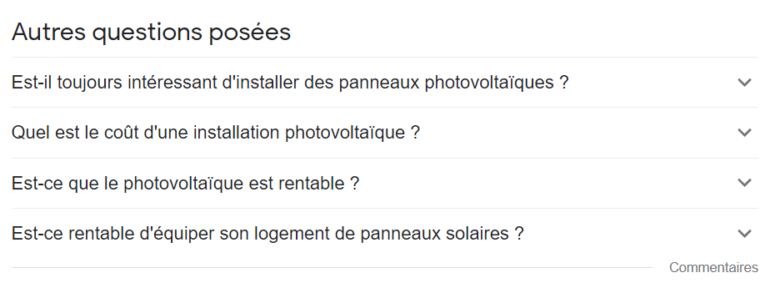
You’ll be able to connect with your sales representatives and listen to the questions they’re asked most often in their day-to-day work. You can also draw inspiration from questions posted on your social media channels. To do this, we encourage you to carefully review the comments on your posts. You can use Google Suggest, which will help you identify the questions people are asking, or use a tool such as Answer the Public.
Feel free to comment on the latest news in your industry or share your most memorable events. As you can see, there are more than enough topics to choose from ????
3. Find Your Style
The best advice we can give you is to write in a style that reflects who you are. It’s important that your blog visitors get a sense of your identity through your posts; otherwise, they might be disappointed when they reach out to you.
We certainly recommend that you highlight your expertise in your various articles. This will establish you as an expert in your industry, which will inspire confidence in your readers. However, be sure to use industry-specific vocabulary so that you are understood.
A blog post is a great opportunity to connect with your audience. You’ll be able to come across as more relaxed and approachable, and you’ll stand out from the typical sales pitch.
4. Create a template
Create a template to follow as a guide for writing your blog posts. It will save you time. For example, you can include an introduction, a post title (choose it carefully), a selection of images, your external sources, and finally, your call to action.
For aspects more related to SEO, you’ll fill in your title tag and meta description, add descriptions for the images you use, and include links to your other articles. This last point will improve your internal linking structure and also allow your blog readers to explore a topic in greater depth.
5. Focus on content quality
These blog posts will help you connect with your target audience. That’s why it’s very important to provide value by putting thought into the content of your posts. Your audience should get something out of them and look forward to reading your new posts. So be sure to set aside some time to do a little research and gather information.
Don't hesitate to show plenty of empathy during this step. Put yourself in your prospect's shoes and try to meet their needs.
We encourage you to diversify your vocabulary by using synonyms. This will also help improve your search engine optimization.
It’s also important to have someone else proofread your work. This will allow you not only to have your work checked but also to incorporate new ideas that will enrich your content.
If you'd like to learn more about setting up a blog, leave us a message and we'll be happy to respond.