Article updated on October 25, 2023
Email marketing is one of the most powerful marketing tools for SMEs. It is also, by far, the most affordable and easiest to get started with. How and when should you use it? In this article, we’ll share some tips to help you set up or refine your email marketing strategy in 2024.
What is email marketing (or emailing)?
Email marketing refers to a wide range of marketing strategies and techniques designed to use email to achieve specific business objectives. These may include lead generation, building loyalty among existing customers, and driving traffic to your website…
The Difference Between Inbound and Outbound Marketing
Email marketing can be divided into two main categories:
- Inbound marketing, which refers to communications sent to the email inboxes of customers or prospects who have agreed to be included on a contact list;
- Outbound marketing, which includes email campaigns sent to “cold” contacts with whom you have no existing relationship.
Types of Email Campaigns
There are different types of email campaigns within inbound marketing, including:
- The newsletter, used to share company or industry news;
- Transactional email, used to ensure a positive customer experience (onboarding emails, emails providing training on how to use a product or service, etc.);
- A customer satisfaction email, sent, for example, to gather feedback following the provision of a service or participation in an event;
- A promotional email sent to encourage the purchase of a specific offer.
Email Marketing: Building Customer Loyalty with Value-Added Content
Your contact list consists of email addresses of customers or prospects who are receptive to your services. In fact, they have chosen to subscribe to your mailing list and stay informed about your news. If they wish, they can also unsubscribe at any time by clicking a link at the bottom of the email.
You’re therefore reaching out to a “warm” audience that’s loyal to your brand and eager for content related to your business. For this reason, take the time to develop an editorial strategy focused on sharing high-quality information. The more valuable content you provide to your contacts, the more they’ll cherish the relationship they have with you, and the more likely they’ll turn to you to solve their problems. In 2024, content will still be king!
Consistency: The Key to Successful Email Marketing
In addition to content quality, the success of an email marketing strategy depends on consistency. We recommend setting a sending frequency that is both sustainable for your teams and balanced for your contacts. For example, commit to sending out a newsletter every month or every quarter, depending on your ability to produce articles and your editorial calendar.
Once you’ve set a frequency, it’s essential to stick to it. Make it your goal to turn your newsletters into an unmissable date between you and your clients. Know how to build anticipation so you can exceed their expectations. You’ll know you’ve reached your goal the day a client compliments you on the quality of your content… and says they can’t wait to read the next edition!
Email Marketing: An Inexpensive Marketing Tool
Email marketing offers another major advantage: it’s affordable for everyone. Aside from the time required to write the content, purchasing a license for an email marketing application is the only expense you’ll need to consider.
In most cases, the investment cost will depend on the number of contacts stored in the database. You should budget between €20 and €50 per month to access the standard features of the most popular solutions on the market (Mailchimp, Brevo (formerly Sendinblue), Mailjet, etc.).
Good to know: Most of them offer a free trial version. Feel free to compare them to find the tool you feel most comfortable using.
Put the Customer at the Center of Your Communications
Every customer wants to feel unique, and SMEss now have the opportunity to embrace this concept by applying personalization to an entire database. It’s not just a matter of inserting a first name into an email; it’s about creating tailor-made messages for each recipient. This will significantly improve your engagement and conversion rates.
Imagine, for example, an email that offers each recipient content recommendations based on their past behavior or congratulates them on important milestones in their life. These techniques are now within reach for SMEss, and at a relatively low cost.
Mobile First
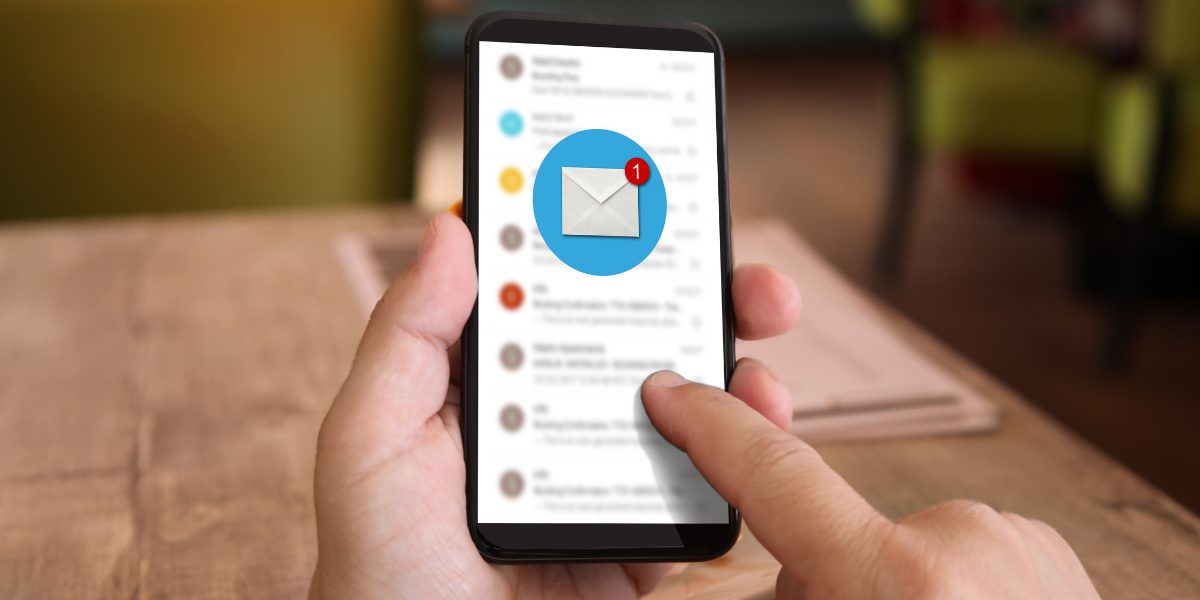
Mobile devices, whether phones or tablets, are now the preferred way to check email, in both the B2B and B2C sectors. It is therefore essential to optimize your email campaigns for these devices. Make sure your emails display correctly on small screens, that links and call-to-action buttons are easy to click, and that images load quickly.
On mobile devices, the email subject line should be particularly concise and eye-catching, given the limited space. Creativity is key to encouraging the recipient to click and open your message.
Meeting the Challenge of Deliverability
Spam filters are stricter than ever, and questionable practices, such as sending unsolicited emails, can damage the sender’s reputation. To ensure your communications are received and read, it’s essential to follow best practices to maintain good deliverability rates. Set aside time regularly to refresh your mailing list by updating or removing outdated email addresses.
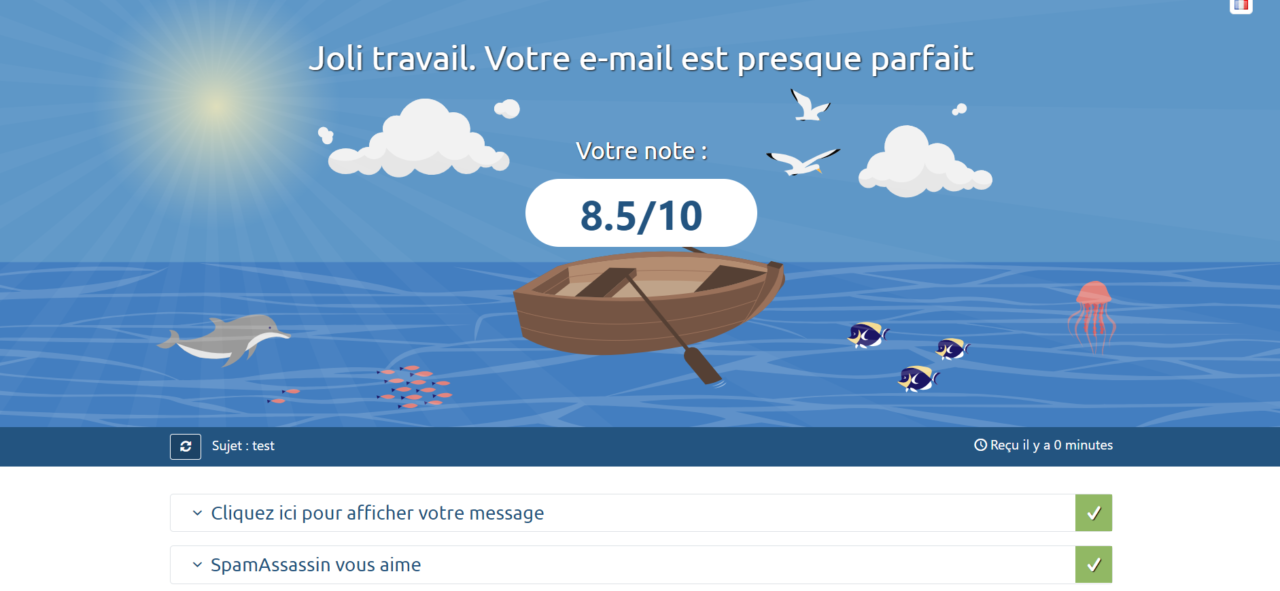
In addition, make sure all your deliverability metrics “are in the green” by using free tools like Mail Tester. These tools will flag potential issues and suggest solutions to share with your service provider or IT department.
Automate Email Campaigns with Marketing Automation
Have you ever dreamed of automating the sending of emails when certain conditions are met? That’s exactly what marketing automation offers.
This approach is particularly effective in inbound marketing. The most common example is a white paper offered in exchange for contact information. In many cases, the prospect receives the download link via email. The prospect is then enrolled in a sequence where they are offered various pieces of content that gradually lead them to consider purchasing the solution.
Until just a few years ago, marketing automation was reserved for experienced marketing professionals, but today it has become widely accessible. You’ll find ready-to-use workflows in most email marketing software programs on the market.
Evaluate the results of your email campaigns
Finally, email marketing solutions give you everything you need to measure the performance of your campaigns. At a glance, you’ll know your campaign’s open rate, when the emails were opened, and which links and calls to action received the most clicks…
Review this data regularly: it serves as the compass for your editorial strategy. It will help you determine the most appropriate content, tone, and timing for each of your buyer personas.
Did this article inspire you to take your email marketing strategy to the next level? Contact us by clicking the button below. We’d be happy to help you turn your contact list into a real driver of growth.