A Deep Dive into Sales Strategy Through the Exploration of the Customer Journey
As we continue our exploration of strategic marketing, we’ve already examined marketing positioning and broken down your understanding of your target audience using the buyer persona method. Today, we’ll focus on the customer journey—a crucial component that naturally integrates with these previous concepts to refine and optimize your small business’s growth strategy.
What is the customer journey?
The customer journey illustrates the complete sequence of interactions that your prospects and customers have with your company.
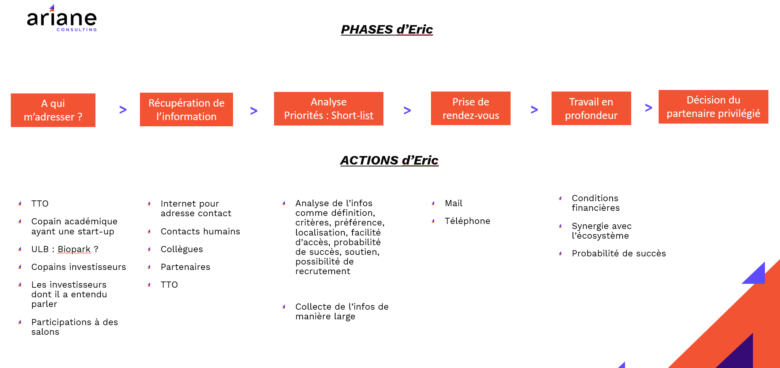
This journey begins with the realization that there is a problem to be solved and continues through the purchase of your products or services, culminating in customers recommending them to their professional and personal networks.
Every touchpoint—whether it’s an interaction on your website, a conversation with your customer service team, or a post on social media—is an opportunity to enhance the customer experience.
This comprehensive view is crucial for identifying not only opportunities for improvement but also gaps in the current experience.
Why Map the Customer Journey?
Aligning the Teams' Vision
By conducting an in-depth analysis and collaborating on mapping the customer journey, you establish a shared and consistent understanding of that journey across all your teams. This approach is crucial for ensuring, in particular, alignment between the sales and marketing teams, as well as across all departments. The goal is for every team member to contribute from a unified perspective, which will ultimately foster a consistent, seamless, and smooth customer experience.
Identifying Points of Friction
A detailed analysis of the customer journey enables your small business to identify pain points, moments of disappointment, or missed opportunities for engagement. By identifying these gaps, your business can take proactive steps to address them and thereby improve service quality or refine its communication strategy.
Discovering New Opportunities
Understanding the customer journey also paves the way forinnovation and for adapting your offerings. Whether through the introduction of new communication channels or by adding more personalization to interactions, a deep understanding of customer interactions can lead to significant improvements and the creation of memorable experiences.
Why Map the Customer Journey?
Creating a customer journey involves thoroughly understanding the different stages a customer goes through, from the initial awareness of your product or service all the way through to after-sales support and customer loyalty. Each stage of the customer journey offers opportunities to interact with the customer and strengthen the relationship.
Here are the typical stages of the customer journey, along with explanations for each:
Awareness
This is the starting point of the customer journey. The potential customer becomes aware of a need or problem and begins looking for solutions. Your company needs to be visible and proactive in educating prospects—for example, by offering educational content and testimonials that highlight the value of your products or services.
Consideration
At this stage, the customer evaluates the various options available. It is essential to provide detailed information, case studies, and comparisons that help the customer understand why your offering is the best solution for their needs.
Decision
The customer has all the necessary information and is ready to make a purchase. You can help them make their decision by, for example, providing an intuitive shopping experience and assurances that give them confidence in their choice.
Purchase
This step coversthe shopping experience itself. It is essential to ensure that the purchasing process is simple, fast, and enjoyable.
After-Sales Service
After-sales service is a critical phase for customer satisfaction and loyalty. Providing high-quality after-sales support, soliciting feedback, and quickly resolving any issues are key steps in ensuring the best possible experience.
Customer Loyalty
If a customer is satisfied, they may become a regular—or even a loyal— customer. Offering perks and discounts for repeat purchases and maintaining ongoing communication are effective strategies for building that loyalty.
Recommendation
Highly satisfied customers become natural brand ambassadors. Encourage and highlight these recommendations through referral programs or customer testimonials.
How should you design your customer journey?
For an effective and comprehensive analysis of the customer journey, we recommend bringing together representatives from all departments that interact with customers.
Start by defining the beginning and end of the customer experience. Next, identify the different phases your customers go through by collectively discussing the touchpoints and the actions customers take at each stage. Also consider the emotions customers experience and think about ways to encourage positive actions.
Finally, identify potential touchpoints and opportunities for improvement to refine how your company interacts with customers throughout the customer journey.
Would you like to optimize the customer experience for your small business? Contact us to schedule a workshop to map out your customer journey. We look forward to helping you create memorable experiences that will drive your growth.