The Key Role of Marketing in Rebranding
Why should a B2B SME rebrand? The goals of a rebranding typically include modernizing your brand image, attracting new customers, strengthening your market position, and/or creating a visual identity that better aligns with your current values, to name just the main ones.
Marketing plays a crucial role in this transformation. It helpsalign all communication efforts, anticipate customer reactions, and effectively promote the new brand image, both internally and externally.
Audit of Your Current Visual Identity
As you know, revamping your branding has a significant impact. So before you rethink anything, take the time to evaluate what you already have.
Does your SME logo still reflect your company?
Does your brand identity reflect your values and positioning?
Analyze your strengths and areas for improvement. This step allows you to conduct an objective assessment and lay a solid foundation for your rebranding strategy. Don’t hesitate to seek an outside perspective (from a consultant, communications agency, or loyal customer) to gain objectivity and inform your decision-making.
Evolution or Revolution: Clarify Your Intent
What are your underlying motivations for this rebranding: do you simply want to modernize your brand image, or are you looking to make a complete strategic shift?
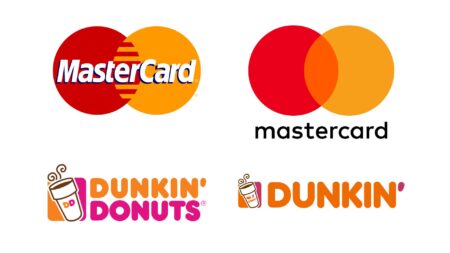
For example, a company can modernize its logo while retaining its primary colors and shapes, as Mastercard did in 2016. This evolution improves readability while preserving the brand’s visual identity. Conversely, a complete redesign involves a profound transformation, such as Dunkin’, which removed “Donuts” from its name to reflect an expansion of its product offerings and reposition the brand.
A good example of a well-managed rebranding for a B2B SME is Fytofend, a company specializing in biocontrol solutions. Maia Consulting oversaw this SME’s rebranding with the goal of aligning the brand image with a more modern and international positioning. The logo, colors, and tone were updated while remaining true to the company’s core values.
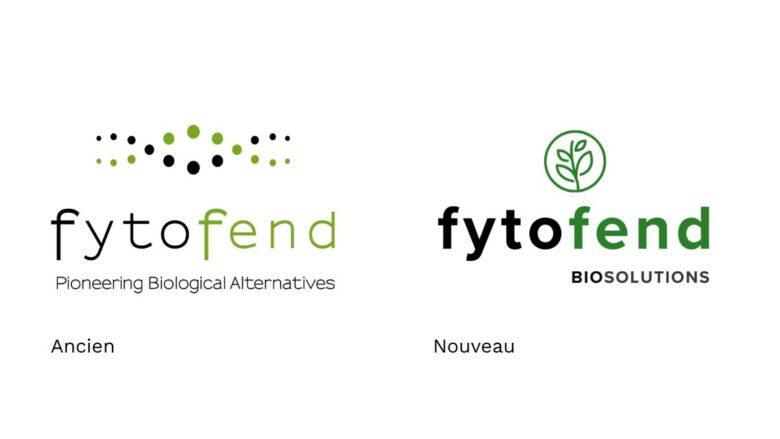
The result: a new, cohesive brand identity that is better aligned with the business strategy and well-received by both partners and distributors.
This decision has a direct impact on customer perception. It is therefore crucial that it align with your future goals, while ensuring a certain degree of visual continuity, for example, by using the existing color palette.
Creating an Effective Logo for a SME: Best Practices
A good logo is based on a few fundamentals : a recognizable name, a symbolic image, and a clear connection to your industry.
It must remain legible in both small and large sizes and be designed to work equally well on both light and dark backgrounds. Be sure to include alternative versions (monochrome, icon-only, etc.).
In your creative brief, be sure to include your company’s values. A good logo isn’t just pretty, it tells a story.
A few pitfalls to avoid:
- Logos that are too busy or too colorful,
- Gradients that are difficult to print,
- Logos that are ultra-minimalist, impersonal, or too generic.
Develop a professional and realistic visual identity guide
A brand identity guide is the visual extension of your SME logo. It defines your fonts, colors, standard visuals, icons, generic documents, and more…
You may find that you need to update your communication strategy rather than your logo. To do this, you should start by analyzing what you have and identifying what you want to keep from your current design. Conduct competitive intelligence research or benchmark against other inspiring brands, not to copy them, but to fuel your thinking.
Use your buyer personas to align your visual identity with their expectations and visual styles.
Also factor in the production costs of this visual identity guide: certain choices (special inks, complex formats, animations) can be expensive to implement.
Ask yourself about your autonomy: Do you want the freedom to implement the guidelines internally, or would you prefer to rely on an agency?
This will determine the complexity and structure of the deliverable.
Finally, make a list of all the materials that need to be updated (business cards, vehicles, website, social media, signage, packaging, etc.). This will help you plan, budget, and coordinate the transition.

Internal and External Communication Regarding the Brand Rebranding
A rebranding isn’t something you simply declared, it’s something you share. Your teams need to understand the reason for the change, the vision behind it, and their role in communicating it.
If in-person meetings aren't possible, use tools like Slack, Microsoft Teams, or internal newsletters to inform, explain, and gather feedback. Why not create an internal communication kit that includes a memo, an FAQ, before-and-after visuals, and a message from management?
When it comes to external communications, plan a multichannel campaign: customer emails, LinkedIn posts, your website, email signatures, press releases, etc. Be clear and informative: explain what’s changing and what’s staying the same, using concrete examples and emphasizing the continuity of your values.
Conclusion
Rebranding is a strategic step that goes far beyond a simple logo change. It’s an opportunity to reposition your SME, clarify your message, and strengthen your visual impact.
By putting marketing at the center of the process, you maximize your chances of successfully completing this transformation while getting your teams and customers on board.
Are you thinking about revamping your brand image?
Start right now with a visual audit of your existing materials. This will lay the foundation for a relevant and cohesive rebranding strategy for your SME. To guide you through this process, you can reach out to a consultant at Maia Consulting: we’ll help you organize your thoughts, coordinate key steps, and effectively manage the redesign of your visual identity.