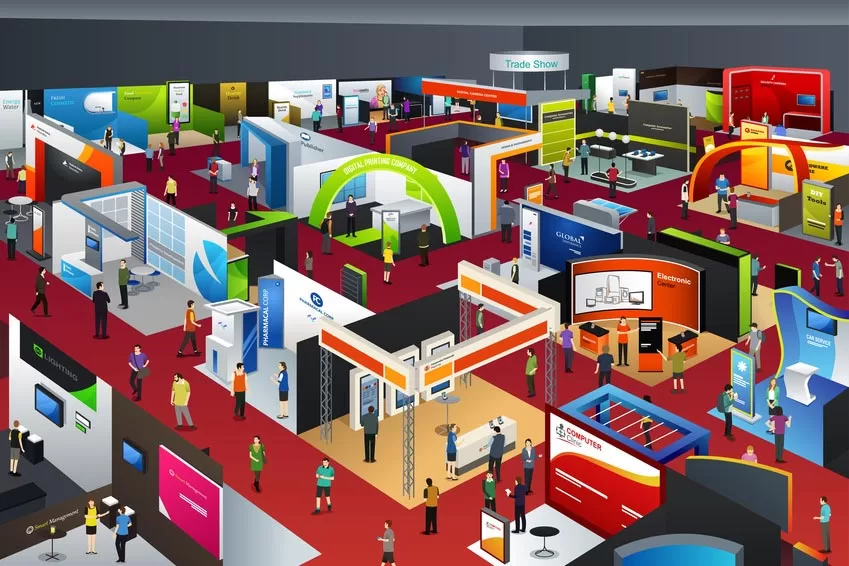
B2B SMEs looking to expand participate in events (trade shows, conferences, and conventions) every year, which allow them to connect directly with their target customers and showcase their latest products. Some are even considering trade shows in China.
This raises the question: How can these European companies adapt to local practices at a trade show in China? A country where practices can vary significantly from one place to another.
That’s what we’ll explore in this article by examining three specific stages of setting up a trade show: preparation before the show, interaction during the show, and follow-up after the show.
Preparing for the trade show
- Documents in Chinese
English is an important subject in the Chinese education system, and students begin learning it at a very young age. Despite many years of study, however, opportunities to practice English in daily life remain limited. Because instruction focuses on reading and writing for exams, many Chinese people lack confidence in their speaking and listening skills.
Although English proficiency is often high in large cities and multinational companies, employees at local companies who are not accustomed to using English on a daily basis may encounter difficulties. They generally rely on translation tools or colleagues who are fluent in English.
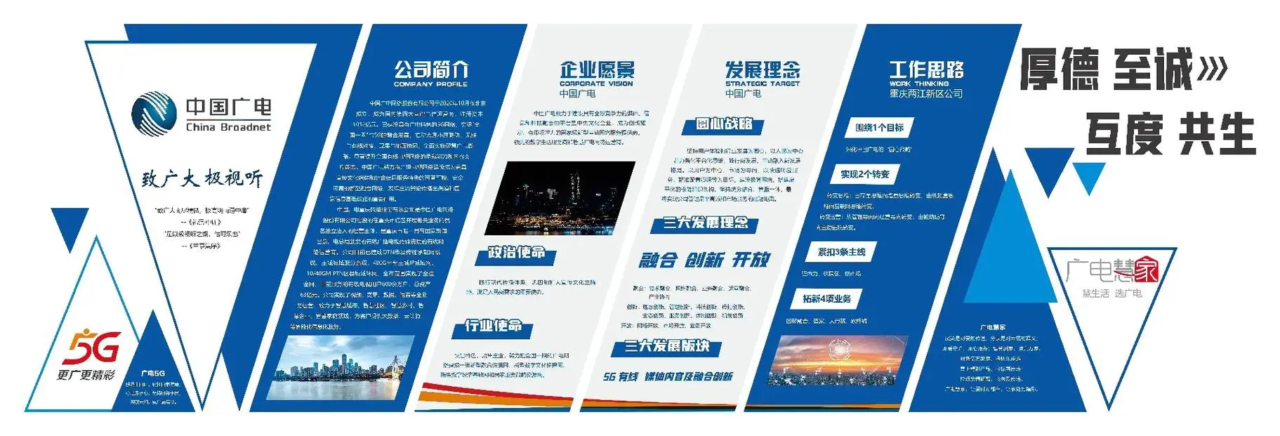
We therefore recommend that you prepare brochures, posters, and product descriptions in Chinese to overcome the initial language barrier. It is important to have a native Chinese speaker review the content. This preparatory work will allow visitors to access important information about your products and company right away.
- Get familiar with using WeChat
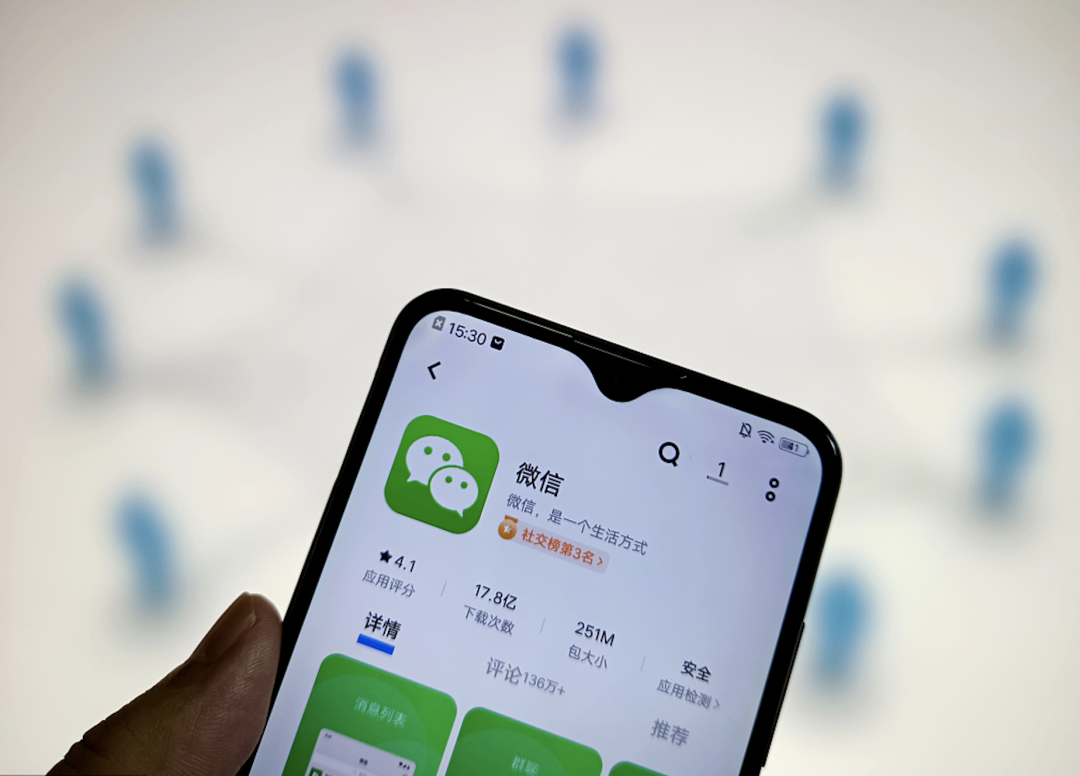
So you won't be surprised to learn that one of the most common phrases you hear at a trade show is, "Want to exchange WeChat?"
Although physical business cards are still popular, they are gradually being replaced by WeChat. Compared to a business card, WeChat allows for an instant connection that isn’t likely to be forgotten or lost.
In addition to using a business card, with WeChat you can share files, photos, and product information, and even make calls. WeChat is therefore more flexible than email, especially in the fast-paced environment of trade shows.
WeChat also offers social features, such as“Moments.” You can learn more about the people you’re chatting with by viewing their profiles and posts, thereby strengthening your personal relationships.
You can also direct customers to your company’s official WeChat account, where they can receive your latest updates, thereby making your future marketing efforts easier.
We therefore recommend that you create a personal WeChat account and familiarize yourself with how to add new contacts. WeChat offers built-in translation, even for voice messages. This means you can use it without any trouble, even if you don’t know Chinese. You can also display the QR code for your official WeChat business account at your booth to encourage visitors to follow you.
- Prepare small gifts
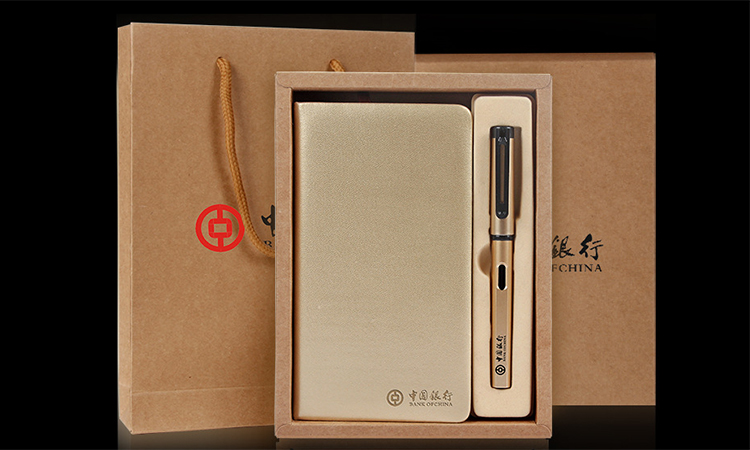
In Chinese business culture, giving gifts is a common way to express respect, friendship, and sincerity. Giving small gifts at a trade show can be seen as a gesture of hospitality, which makes visitors feel valued.
Gifts should be practical and durable, such as pens, USB drives, or mugs featuring your company’s logo, which are commonly used in offices. These small gifts not only promote your brand at the trade show, but also remind customers of your interactions every time they use these items.
Interaction During the Trade Show
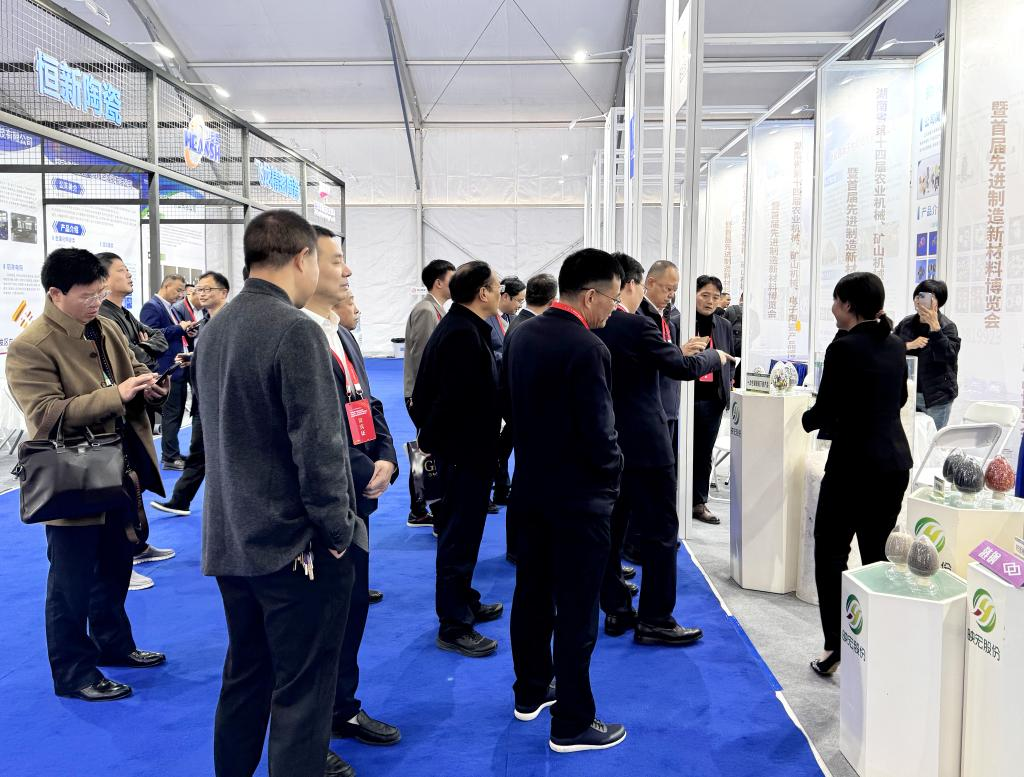
Modesty and reserve are common social traits in China. Especially during initial interactions, many Chinese people tend to keep their distance and may not approach your booth or initiate a conversation.
They fear finding themselves in an awkward situation due to the need to“save face", so they prefer to avoid any potential social discomfort, especially in unfamiliar settings or when dealing with strangers.“Saving face”in China refers to the importance placed on dignity, respect, and personal image in social interactions, where preserving honor and avoiding embarrassment are paramount.
Furthermore, as we have already mentioned, some people lack confidence in their ability to speak English. This language barrier can make them shy when interacting with strangers.
Cultural differences also make communication more difficult. Chinese visitors may not be familiar with foreign cultures and may worry about potential cultural misunderstandings or unintentionally rude behavior. This concern also makes them more cautious, leading them to prefer waiting for you to take the initiative.
When you notice Chinese customers approaching your booth, you can greet them and showcase your products to attract their attention, which will lead to more in-depth discussions and opportunities for collaboration.
Follow-up After the Trade Show
Effective follow-up with clients after a trade show is essential for turning prospects into long-term partners. The success of your follow-up depends not only on how quickly you respond, but also on your understanding of cultural nuances.
Here are a few tips to maximize your chances of successfully converting a prospect:
- Quick Follow-Up
We recommend sending a brief thank-you message via WeChat or email shortly after the trade show to reaffirm the key points of your conversation. This quick response demonstrates your company’s professionalism and the importance you place on your customers.
Chinese customers typically gather a large amount of information at trade shows and may need more details once they return to their companies. A prompt follow-up after the trade show allows you to provide additional information, such as product specifications, quotes, or case studies.
Based on your interactions during the trade show, providing personalized follow-up by asking specific questions or suggesting initial solutions, shows customers that you value them and increases the likelihood of ongoing engagement.
- Create opportunities for in-person meetings to build trust
Even in the digital age, in-person meetings still play a crucial role in business cooperation and help build trust quickly. After the trade show, you can suggest a face-to-face meeting to further explore opportunities for collaboration.
You can invite customers to your events, such as product launches or seminars. These activities provide additional information about your products and foster ongoing interaction with customers.

- Use social media tools to foster long-term relationships
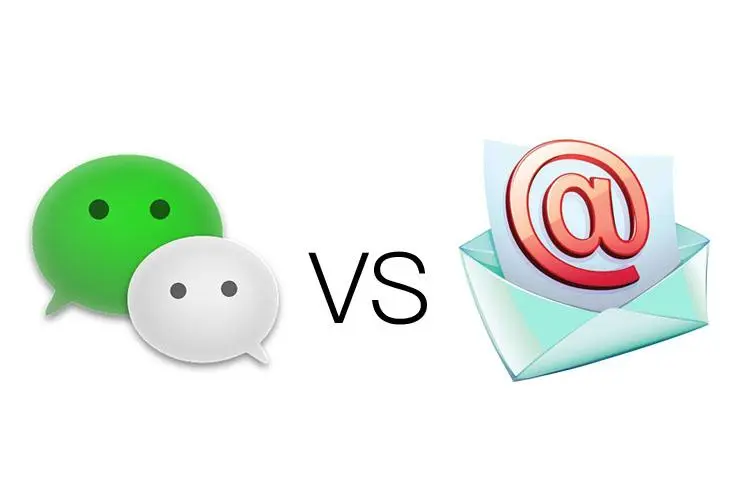
Start by adopting a WeChat-based approach for the reasons we explained earlier; email will come later to help you stay in touch. WeChat’s instant messaging features make communication more efficient, particularly for file sharing and in-depth discussions, while email remains better suited for formal documents or important agreements. Using WeChat and email together maximizes the benefits of both tools and aligns with Chinese social norms.
Take full advantage of WeChat’s “Moments” feature to share company updates, product news, and industry information. You can also like or comment on “Moments” to engage with your customers, maintain long-term relationships, and strengthen their familiarity with your company and the trust they place in you.
Decision-making processes in B2B SMEs can be time-consuming, often requiring approval at multiple levels in China. Focus more on providing useful information and support without overwhelming the customer. Showing patience and understanding of the customer’s needs, and being flexible with proposals or services, will showcase your company’s sincerity and adaptability.
Maximizing opportunities for interaction at in-person trade shows can help B2B SMEs expand their customer base, increase brand awareness, and gather market feedback in China, which ultimately drives sales growth. By following these more specific strategies, you’ll be able to engage more effectively with customers in China.
If you have any questions about participating in trade shows in China, please don't hesitate to contact us!