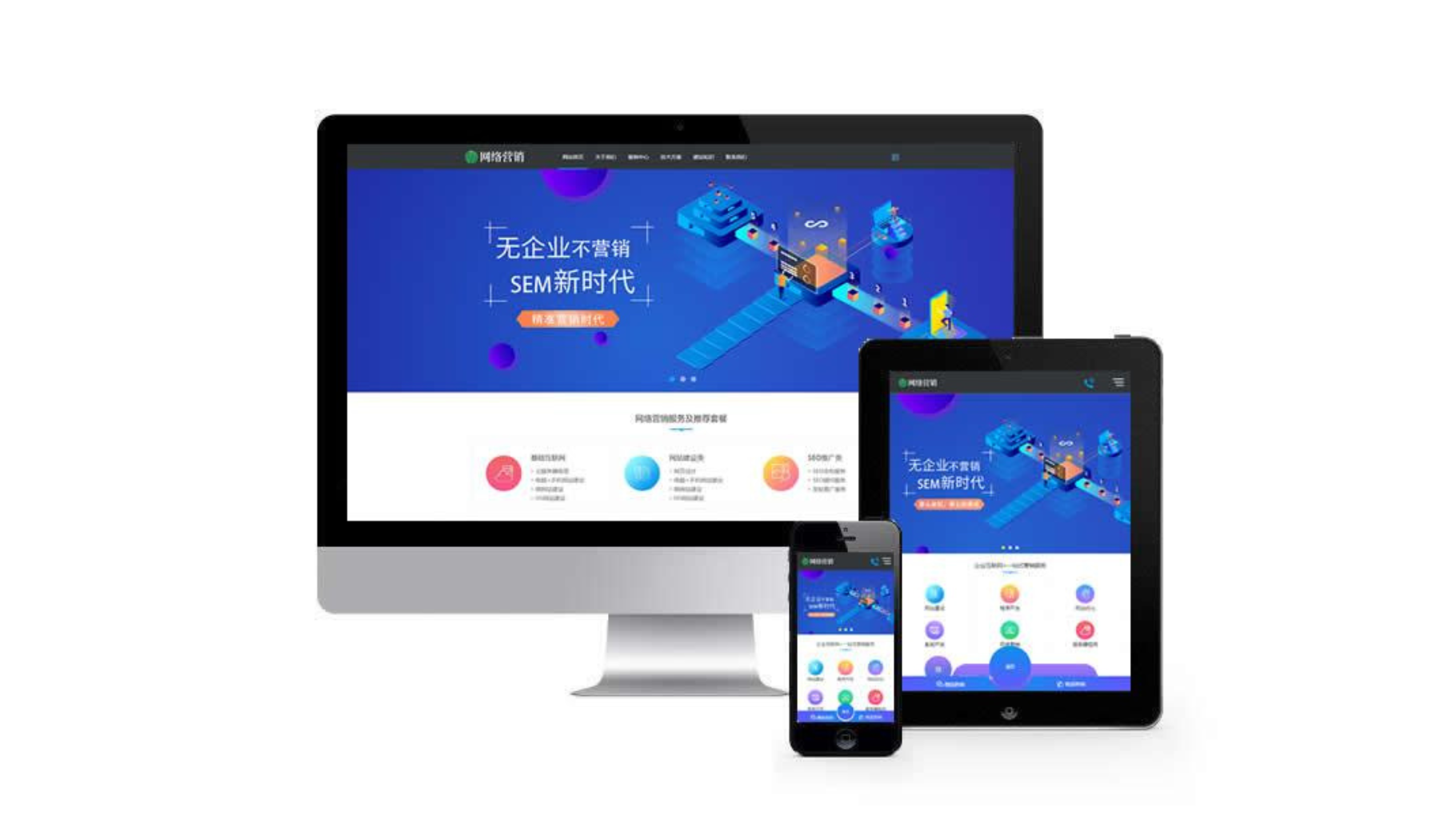
In the B2B sector, a website is the cornerstone of digital marketing, particularly in China’s vast and competitive market. A well-designed B2B website positions a brand professionally to showcase its products and services.
Optimizing a B2B website for the Chinese market goes beyond basic aesthetics and a complete translation. It involves improving the site’s functionality, performance, and content to meet the unique needs of business customers.
In this article, we focus on key website features—such as fast loading speeds, localized content and design, and SEO for Baidu—to help you build and maintain a website tailored to the Chinese market.
Fast loading speed
Page load speed shapes users' first impression of a website. Slow-loading pages test users' patience and increase the risk that they will leave the site prematurely.
With the increasing pace of business, a fast-loading website is essential for online marketing. It ensures that all users have fast, uninterrupted access to the site via a mobile device or a PC.
In addition, search engines prioritize websites that load quickly, which affects SEO rankings.
How do you measure loading speed?
For most websites hosted in Europe, we can conduct real-time tests directly with users in China to evaluate loading speed. A real-time loading speed test puts the company in its users’ shoes and allows it to identify the challenges its users face.
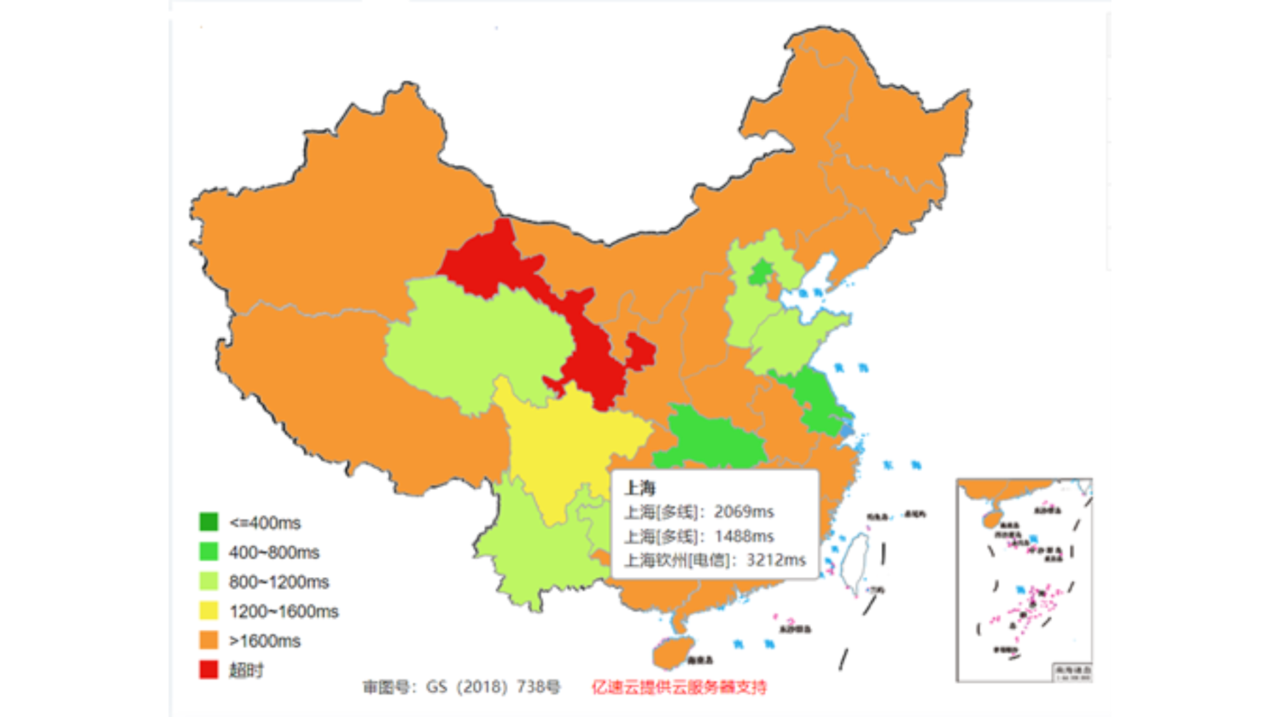
Another effective method is to use a speed-testing tool, such as Zhanzhang Gongju ‘站长工具,’to measure website speed in different provinces of China. For example, the image below shows website speed in different provinces. You can identify the color-coded data and see the specific province where your primary target audience is located.
Solutions for Slow Loading Issues
Ensuring that the website is hosted locally can significantly improve its loading speed. The choice of hosting location depends on whether your company is registered in China.
- Company registered in mainland China
If your company already has an office in China, we recommend that you apply for an ICP license and host your website in China. This can be done without any problems.
The ICP (Internet Content Provider) license is a permit issued by the Chinese Ministry of Industry and Information Technology (MIIT) that allows websites based in China to operate within the country. ICP license numbers for Chinese websites can often be found at the bottom of the homepage.
- Company not registered in mainland China
For companies that are not registered locally, hosting the website on servers located near mainland China—such as in Hong Kong—could be a good alternative.
In addition, the company can choose a CDN to deliver larger files—such as images, videos, or documents—to end users.
A content delivery network (CDN) is a geographically distributed group of servers that caches content close to end users. While a CDN cannot replace the need for proper web hosting, it can reduce hosting bandwidth, helping to prevent service interruptions. CDNs are a popular choice for alleviating the main challenges associated with traditional web hosting.
Localization of Content and Design
The quality of a website's localization can influence how long users stay on the site. Users can quickly assess whether a company has put effort into localizing the website.
Design and Layout Localization
Of course, the design should be professional and inviting, reflecting your company’s brand. It is recommended that the website design incorporate your brand guidelines as well as clear and straightforward navigation to help users find information quickly.
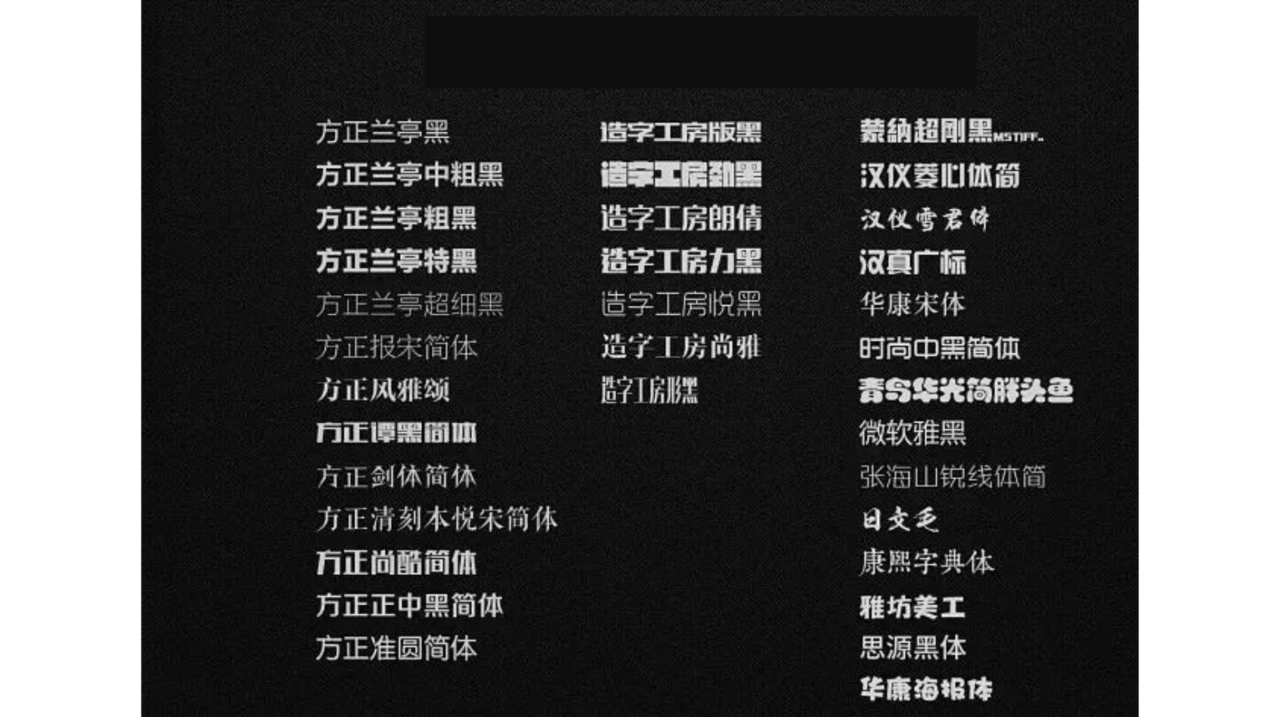
To win over the Chinese market, the website must also be fully localized using simplified Chinese characters, which are commonly used in mainland China. Due to the unique nature of Chinese characters, the company must select specific Chinese fonts, appropriate font sizes, and line spacing to ensure readability.
Social Media Integration
Users might click on your website and decide to browse through key information for a few minutes. Before leaving the site, they expect to find a link to your social media accounts so they can follow your company’s activity.
In Europe, this often involves social media platforms such as LinkedIn or Facebook. As for China, there’s no denying that users expect to see a WeChat QR code on the Chinese websites they visit.
This way, users can follow the official WeChat account to get real-time updates, and the official WeChat account also features the website. The website and WeChat are linked, so users can choose their preferred way to stay up to date.
Mobile Optimization
Since the vast majority of Chinese internet users access the web via smartphones, a mobile-first design is essential. This includes fast loading times, mobile-friendly navigation, and content layouts optimized for smaller screens.
In addition, SEO for Baidu includes mobile optimization to ensure a seamless user experience, which is crucial for engaging China’s mobile-first audience.
SEO for Baidu
Baidu is the leading search engine in China, just as Google is in Europe, and mastering SEO on Baidu is crucial for digital marketing. Ensuring visibility on Baidu can directly impact a company’s online success.
Baidu's search algorithms are tailored to the Chinese language and local internet regulations. Baidu prioritizes local hosting, content in Simplified Chinese, and compliance with the Chinese government's censorship laws.
In addition to its search engine, Baidu has a broad digital ecosystem that includes Baidu Baike (similar to Wikipedia), Baidu Tieba (a popular forum platform), and Baidu Zhidao (a Q&A platform). Effective SEO for Baidu should incorporate these Baidu platforms as well as other non-Baidu platforms to improve your business’s visibility and credibility.
As in Europe, SEO often offers a more cost-effective solution in the long term. Therefore, it is also recommended in China to combine a long-term SEO investment for Baidu with short-term pay-per-click advertising to launch effective marketing campaigns.
In our upcoming articles, we'll explain SEO for Baidu in more detail.
In China’s dynamic business landscape, a well-optimized B2B website is not just a communication tool—it’s a strategic asset that drives business growth, improves customer relationships, and strengthens market positioning. By focusing on critical website features such as fast loading speeds, localized content and design, and SEO for Baidu, companies can build a powerful digital presence in China that resonates with this specific target audience, helping you stand out in the competitive B2B arena.
Consulting with specialists who understand the cultural nuances of the Chinese business environment is therefore an invaluable asset for growing your business in China.