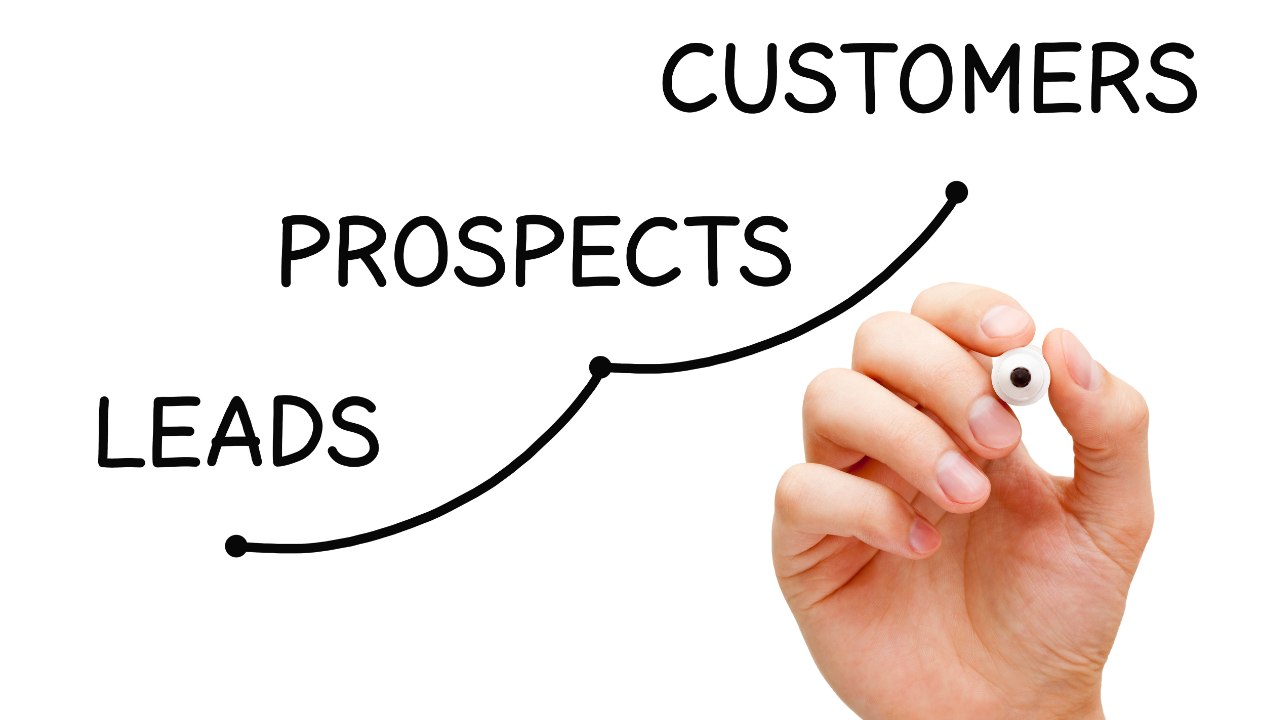
In the world of B2B marketing, lead nurturing is an essential strategy for turning prospects into loyal customers. It’s not enough to simply attract leads; it’s crucial to nurture them and guide them through their buying journey. Here are some effective tactics for optimizing your lead nurturing strategy.
Understanding Lead Nurturing
Lead nurturing involves building strong, lasting relationships with your prospects at every stage of their customer journey. This means providing relevant, high-quality information tailored to each contact’s needs and interests. It should not be confused with lead generation, which involves attracting prospects to your business. Lead nurturing takes over once leads have been generated and ensures that these prospects are nurtured with the right content and interactions until they’re ready to buy.
1. Segment your leads
Segmentation is the first step toward a successful lead nurturing campaign. By categorizing your leads based on criteria such as their behavior, interests, and demographics, you can personalize your communications and make them more relevant. For example, leads who have downloaded an e-book on a specific topic might be interested in case studies or webinars related to that same topic.
Let’s take the example of a company that sells fleet management solutions to transportation, construction, and logistics firms. Each industry has very different needs. For example, transportation companies will be more interested in fuel management features, while construction companies will want solutions to monitor the maintenance of heavy-duty vehicles. By segmenting leads based on their industry, we ensure that each prospect receives personalized content tailored to their needs.

2. Use personalized content
Offer content tailored to the specific needs of each lead segment. Detailed guides, case studies, webinars, and blog posts can capture your prospects’ interest and potentially drive engagement. Make sure each piece of content provides value and addresses their questions or concerns.
3. Marketing Automation
Marketing automation tools can significantly improve your efficiency in lead nurturing. You can use marketing campaign management and automation platforms to create automated workflows that send personalized emails based on your prospects’ actions. These emails should be relevant and tailored to the stage of the buying journey your lead is in.
Let’s imagine that a company offers a cloud computing service for large businesses. When a prospect downloads a white paper on data security, this can trigger a series of automated emails. The first could be a guide detailing best practices for data security in the cloud. The second email could offer a free demo of the service. This helps guide the lead through the decision-making process.
4. Lead Scoring
Lead scoring is a method for ranking your prospects based on their engagement and likelihood of conversion. By assigning points to specific actions (opening emails, visiting key pages, downloading content), you can identify the leads that are most ready to be contacted by your sales team. This approach helps you prioritize sales efforts and optimize your conversion rate.
Let’s say an employee works for a company that sells CRM solutions to large businesses. A lead who regularly opens emails, views several product pages on the website, and participates in webinars could achieve a high score say, 85 points. This score indicates that the lead is ready for direct contact from the sales team, which allows the team to prioritize its efforts and avoid wasting time on less-engaged prospects.

5. Multichannel Communication
Don’t rely solely on email to communicate with your leads. Incorporate multiple communication channels such as social media, text messages, and even phone calls to create a more comprehensive and engaging lead nurturing experience. Each channel should be used strategically to maximize the impact of your messages.
6. Create educational content
Providing educational content is one of the keys to lead nurturing. Infographics, explainer videos, and podcasts can all be used to keep leads engaged. The more varied and rich your content is, the more effective it will be.
7. Implement automated lead nurturing programs
Implementing automated lead nurturing programs, such as email sequences and automated multichannel campaigns can help you maintain a steady flow of communications. These programs are tailored to your prospects’ buying cycles, which increases their relevance and impact.
8. Use A/B Testing to Optimize Campaigns
A/B testing allows you to experiment with different elements of your nurturing campaigns, such as email subject lines, content types, or calls to action. Test regularly to determine what works best and continuously improve your strategies. A practical example of what you can do once a lead has been converted is to send a satisfaction survey or offer exclusive product webinars to strengthen customer relationships and encourage word-of-mouth referrals.
9. Analyze and adjust
Regularly evaluate the effectiveness of your lead nurturing campaigns. Use key performance indicators (KPIs) such as email open rates, click-through rates, and conversion rates to measure the success of your efforts. Adjust your strategies based on the results to continuously improve your performance. Analytics tools like Google Analytics and the built-in reports from marketing automation platforms can provide valuable insights.

10. Monitoring and Continuous Improvement
Lead nurturing never stops. Keep following up with your leads even after they’ve become customers. Use feedback to improve your processes and adjust your tactics. Customer retention is just as important as customer acquisition, and effective post-purchase nurturing can encourage referrals and repeat purchases.
In conclusion
Lead nurturing is an ongoing process that requires patience, strategy, and the right tools. By applying these tactics, you’ll not only be able to convert your leads into customers, but also build strong, lasting relationships with them.
For more details on optimizing your lead nurturing strategies, feel free to check out our blog on lead generation and our other resources on digital marketing.
Would you like to accelerate your growth or discuss this topic? Contact us. We’d be happy to help you develop the most effective lead nurturing strategy.