
To ensure your business grows, it’s essential that your sales team has a steady stream of qualified leads—that is, contacts who have expressed a clear interest in your products or services. By developing a coherent strategy and well-thought-out tactics for lead generation, you’ll not only ensure consistent, targeted visibility for your brand in your market, but you’ll also maximize your sales opportunities.
Following up on our previous article, which laid the groundwork for lead generation, we invite you to explore the various steps involved in developing your own lead generation strategy. We’ll also explore proven methods for building a true “lead machine”—a high-performing, sustainable system that will provide your sales team with a steady stream of qualified leads.
The 5 Steps to a Successful Lead Generation Strategy
1. Define the business objectives
First and foremost, you need to be clear about your business goals. How many transactions do you need to close, and what is your target average order value? How many prospects do you need to convert one customer? What budget are you willing to allocate to acquire a qualified lead, and over what time period?

These questions and metrics are essential because they not only allow you to assess the return on investment of your lead generation efforts, but also guide you in developing an effective lead generation strategy.
2. Understand Your Target Audience
It is essential to have a thorough understanding of the characteristics and requirements of decision-makers in order to determine who to target, where, and how. The buyer persona method—which involves creating a detailed profile of your target audience’s traits and needs—is of paramount importance in this regard.
Similarly, mapping out the customer journey will help you identify all potential touchpoints with your prospects. This will give you a clear picture of which lead generation channels to prioritize and what messages to convey based on the maturity level of your contacts.
3. Create high-quality content and optimize it
Now that you have a thorough understanding of your target audience, its needs, and its behaviors, you can develop a list of content to offer them. This content can take many forms: blog posts, e-books and white papers, ads, illustrations, videos, podcasts…
In doing so, your goal is to create an editorial calendar that provides relevant content at every stage of the customer journey. This will help you strengthen your brand’s presence and position it as the solution prospects are looking for to solve their problems. If you’re just starting out, there’s no need to take on an overly ambitious content production plan. Focus on the most impactful content, while making sure to diversify your messages to cover the entire customer journey.
4. Establish a process for tracking and qualifying leads
Generating leads is a crucial step, but following up with them and qualifying them over the long term are just as important!
We therefore recommend implementing a CRM system within your company, where you can track the history of interactions and communications with your leads. CRMs are no longer limited to large companies: solutions like Efficy or Pipedrive offer centralized management of sales and marketing data at an affordable cost—typically a few dozen euros per month per user.
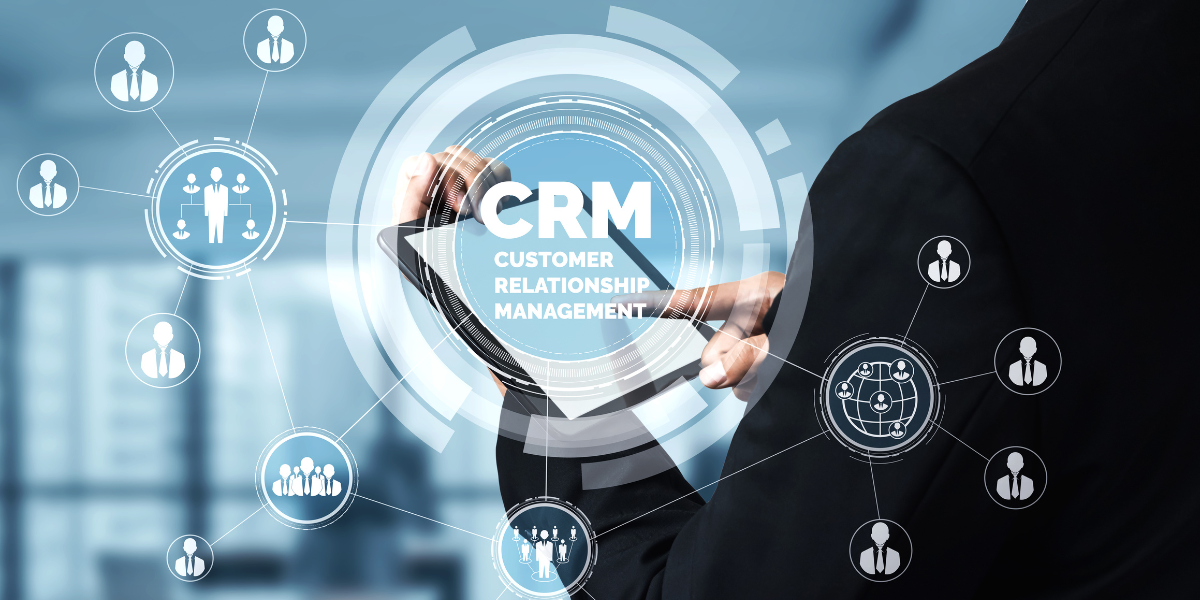
Next, it’s a good idea to implement a lead scoring system to categorize and identify leads based on their level of maturity and their likelihood of making a purchase. The scoring criteria may vary depending on your specific needs, but they often include the level of engagement and interest shown in your company, as well as other relevant indicators.
Finally, it’s essential to nurture long-term relationships with your leads by regularly providing them with valuable content. This practice, known as “lead nurturing,” involves sharing case studies, tips, testimonials, and other types of content designed to help your leads and convince them that you’re the expert who can meet their needs when they’re ready to take action.
5. Measure and analyze the performance of your strategy
The final step is to measure and analyze performance based on the needs and feedback provided by the sales team. Ask yourself: Are these initiatives effective? Do they meet the established expectations? Is it necessary to revise the sales message, adjust certain product features, or even change the pricing strategy? Review the results: increase the budget for successful tactics, improve those with potential, and eliminate ineffective approaches.
By following these steps and continually adapting your approach based on the results you achieve, you’ll be able to create an effective and sustainable lead generation strategy for your small business.
Proven lead generation methods
Now that we’ve gone over the key steps in developing a strategy, let’s look at a range of methods designed to provide your sales team with a steady stream of leads.
1. SEO (Search Engine Optimization)
To maximize the visibility of your online content, nothing beats search engine optimization (known as “SEO”). Unlike other methods, effective SEO establishes you as an authority in your field over the long term. Thanks to SEO, your expertise and the quality of your content become synonymous with reliability, encouraging your prospects to contact you or remember you when they’re ready to make a purchase.
To get off to a good start, we recommend conducting an in-depth semantic analysis of keywords relevant to your business. By identifying these keywords, you can develop a targeted editorial calendar to quickly see a return on your investment.
Use specialized tools to target keywords with high search volume but moderate competition, while prioritizing those that indicate a strong purchase intent among users. At the same time, ensure your website’s overall health and develop a relevant backlinking strategy. These last two pillars will also help you gain favor with search engines and increase your visibility, particularly on Google.
2. Online Advertising
Paid ads on search engines (primarily Google Ads, but also Bing) and social media platforms (particularly LinkedIn Ads for B2B) are an effective way to specifically target prospects interested in your products or services, based on precise criteria that are relevant to your business (industry, company size and profile, revenue, etc.).

The advantage of online advertising lies in its ability to deliver your messages to the right people and to conduct remarketing by targeting users who have already interacted with you in the past. It’s an ideal way to stay top of mind with your prospects and continue to reach them on platforms that complement your own.
3. Cold emailing
Cold emailing, also known as cold email marketing, refers to sending commercial emails to contacts without any prior relationship or indication of their interest. This approach has the advantage of being cost-effective and allowing your message to reach the prospect’s inbox directly, provided the subject line is compelling enough and the content is well-written.

To start, a qualitative prospecting list of a few dozen contacts may be sufficient. However, for faster growth and a more in-depth analysis of performance, it may be necessary to use specialized tools (LinkedIn Sales Navigator, Lemlist, Woodpecker, etc.).
It is essential to properly configure your email addresses, sending domain names, and prospecting tools to ensure email deliverability and avoid any domain reputation issues related to “bounces.” By following these steps—and possibly creating a dedicated domain name—you can run safe and effective cold emailing campaigns.
4. Direct Mail Campaigns
Furthermore, among the various forms of direct marketing, traditional “print” campaigns (or direct mail) offer an attractive alternative. In a world dominated by digital media, using physical mail can help a campaign stand out and improve its open rate.
In fact, the increasing rarity of physical mail often increases the chances that a personalized, well-written letter addressed to a prospect will be read. Even if they don’t respond immediately, the prospect is likely to remember your company, simply because mail has become less common. This can also serve as a starting point for sales representatives, who can use this initiative as an opportunity to reach out to the prospect by phone.
5. Cold calls
Cold calling involves contacting prospects who don’t know you by phone in order to introduce them to your products or services. While this method may seem intrusive, it remains an effective tool for generating qualified leads when done with tact and relevance.

To maximize your chances of success, it’s recommended that you carefully prepare for your calls by learning as much as possible about the company and its potential needs. A personalized and empathetic approach is key if you want to establish a connection and spark interest. Additionally, it’s important to be concise and focus on the value your offer can bring to the person you’re speaking with, rather than simply listing the features of the product or service.
Which lead generation method should you prioritize?
The choice between different methods—or even a combination of them— depends on several factors: the specific characteristics of your industry, the behavior of your target audience, your available budget, and your short- and long-term goals…
Typically, strategies with a lasting impact, such as SEO, are recommended for building long-term relationships and developing a pool of high-quality leads. However, these methods take longer to produce tangible results.
Conversely, direct approaches such as cold emailing or unsolicited calls offer immediate results and are ideal for accelerated lead generation or for targeting well-defined markets, although their impact ends when the campaigns conclude.
Conclusion
We generally recommend combining both approaches. Use direct marketing campaigns to boost your revenue in the short and medium term, which will allow you to fund long-term SEO initiatives. While these initiatives take longer to yield results, they ensure sustained and sustainable growth. This way, your lead generation process becomes a virtuous cycle, capable of providing you with a steady stream of leads over time.
Are you looking to accelerate your growth or get started on this major project? Contact us. We’d be happy to help you develop the most effective lead generation strategy.