
In addition to the language barrier, understanding the culture of your target market is crucial for global expansion.
This is especially true when doing business in China, where cultural norms and practices directly influence the business environment.
Rooted in Confucian philosophy, Chinese business culture is a blend of tradition, hierarchy, and a strong emphasis on relationships and harmony. In the digital realm, social media is shaping Chinese internet users into a hyperconnected generation.

Today, we’ll guide you through Chinese business culture to help you gain a deeper understanding of your potential customers in China and grow your business effectively.
The Impact of Confucianism and Hierarchical Structures
Chinese culture reflects the influence of Confucianism in all its aspects, which emphasizes moral integrity, respect for hierarchy, and the importance of harmony. This begins with certain social etiquette, including how to address people properly, the seating arrangements at meetings and business dinners, and how to propose a toast.
Chinese professionals introduce themselves by stating their last name followed by their first name. However, in subsequent interactions, they use their last name combined with their title as a sign of respect and professionalism, such as Zhang Zong (meaning Director Zhang) or Li Jingli (meaning Manager Li). Similarly, in the office, subordinates address their boss or senior colleagues in this manner.
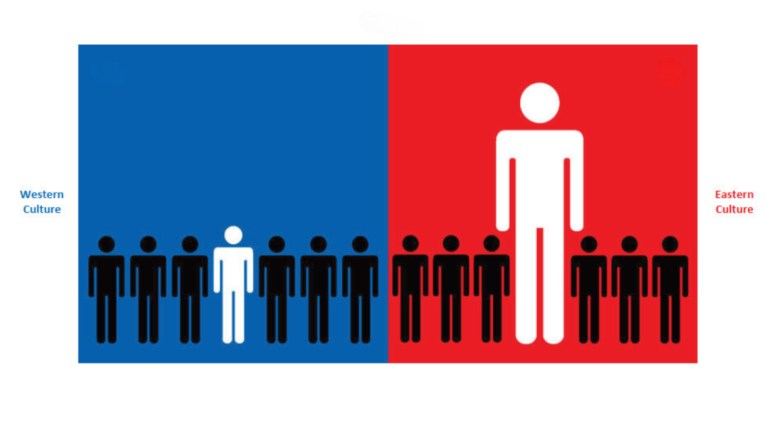
Unlike in Europe, people in China do not address one another directly by first name. Only close colleagues may omit the last name and use first names. This practice is common in Chinese workplaces, where colleagues avoid calling each other by first name as a sign of closeness or respect.
Fortunately, given the complexity of Chinese pronunciation, many Chinese professionals involved in international business have English names. In these cases, addressing someone by their English name is perfectly acceptable. A good approach is to follow the example of how others introduce you to someone important, particularly the CEO or “Zong.”
At business meetings and dinners, the host invites the guest to sit in the best seats, which are those facing the door or offering the best view. The culture of toasting is particularly different in that people lower their glasses to ensure that the rim is lower than those of others as a sign of respect.
Communication: Seeking Harmony and Reading Between the Lines
“和为贵” (Hé wéi guì) is a Chinese idiom meaning “Harmony is more valuable than anything else.” It prioritizes social harmony over personal interests and avoids conflict as much as possible.
In the context of business and social interactions, “和为贵” suggests that maintaining harmonious relationships is crucial for long-term success and cooperation. This philosophy influences many aspects of Chinese social and business etiquette, from negotiation tactics and decision-making processes to everyday interpersonal interactions.
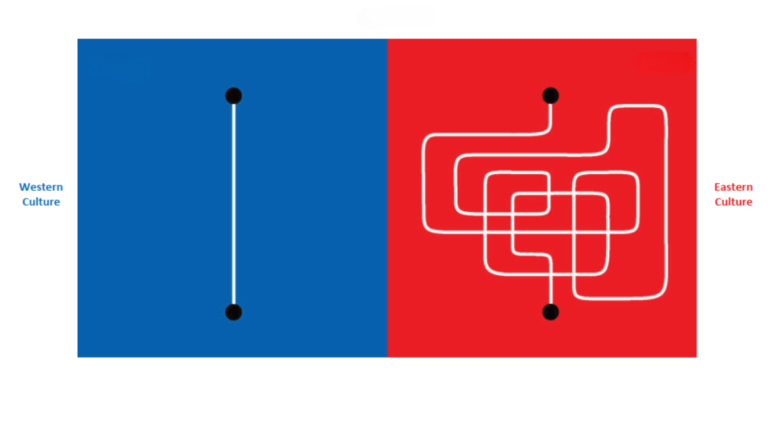
Direct refusals or disagreements are rare, and indirect communication is relatively common in business. This philosophy of harmony presents challenges in business negotiations and requires you to understand the unspoken meaning. This will sometimes require more patience and effort to decipher the true meaning.
Building and Maintaining Relationships
The pursuit of harmony in business leads us to another aspect of Chinese culture: “关系” (guān xì), which means “relationship” in English. The concept of “关系” is central to business activities in China. People place greater trust in relationships that are built slowly and steadily.
For example, during a business meeting, it is common for people not to jump right into business topics but to exchange personal information first to establish a connection. The topics can vary, such as mentioning a mutual acquaintance, exchanging industry information, or sharing personal details.
Small gestures, such as giving small gifts and participating in certain activities outside of work, can significantly deepen personal relationships to foster business connections. The gift could be a souvenir from your home country or a small gift package featuring your logo. Please note that there are no set rules for giving gifts, and it will depend on the situation. Asking a Chinese friend for advice is a safe option to avoid making a faux pas.
In addition, sending online greetings to celebrate traditional Chinese holidays is encouraged in business. In addition to the well-known Spring Festival, sending greetings to your potential Chinese clients during the Dragon Boat Festival and the Mid-Autumn Festival is also a good idea.
Adapting to Social and Digital Habits
This vast market of netizens in China isn’t just connected—it’s hyper-connected, preferring to engage with content via their mobile phones. Their user journeys vary, and they expect highly engaging, relevant, and valuable content that is entertaining and tailored to their tastes.
The Chinese aren't big fans of email. The frequency of email use in China is much lower than in European countries. While most Chinese professionals have both work and personal email accounts, email is not the primary channel of communication.
Unlike globally used professional platforms such as email and LinkedIn, many Chinese people use WeChat for both professional and social interactions. In China, a common way to wrap up a business meeting is to scan WeChat codes, saying, “Let’s exchange our WeChat accounts. Should I scan your code, or will you scan mine?”
Connecting on WeChat creates an expectation of quick responses and underscores the importance of a direct communication channel. A regularly updated WeChat account is essential for B2B companies showcasing their product(s) on the platform, which is, in some ways, equivalent to LinkedIn in Europe. Understanding and adapting to this highly connected digital culture is crucial for companies seeking to establish themselves in China.

Although hierarchical structures, the emphasis on indirect communication, the importance of building relationships, and the unique digital culture create challenges for doing business in China, they also foster deep business and personal engagement.
The Chinese are exceptionally warm and hospitable in their day-to-day interactions. The key to success in China lies in a willingness to understand and immerse oneself in Chinese cultural practices.
To learn more about expanding your business into the Chinese market, please feel free to contact us. Our Chinese colleague, who specializes in this market, will be happy to assist you.